Home | Blog | Range Guide | Rubber Berm Trap vs. Total Containment Trap: Choosing the Right Bullet Trap for Your Range
The decision comes down to bullet capture method, lead and dust management, and how much maintenance your range can support.
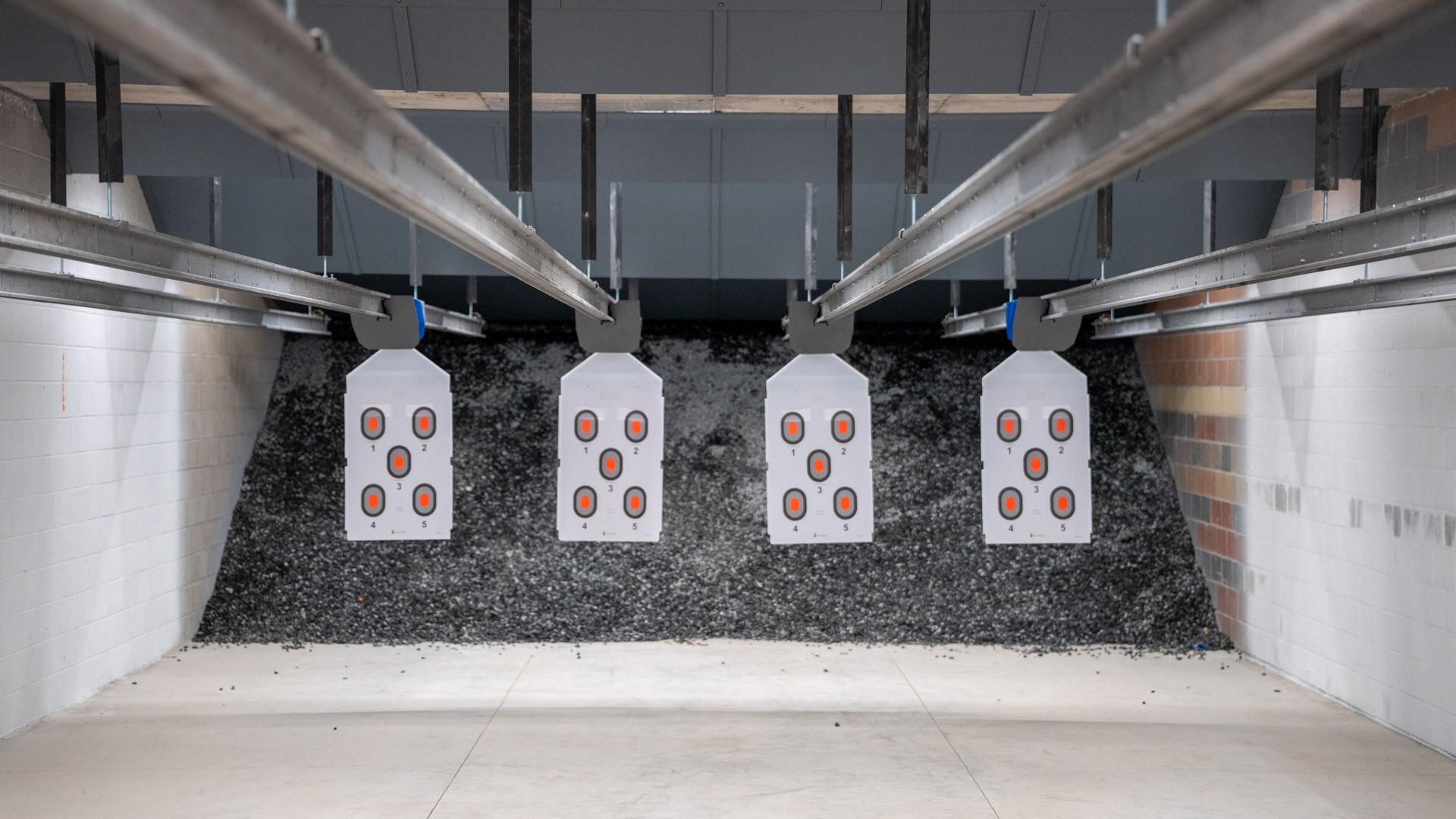
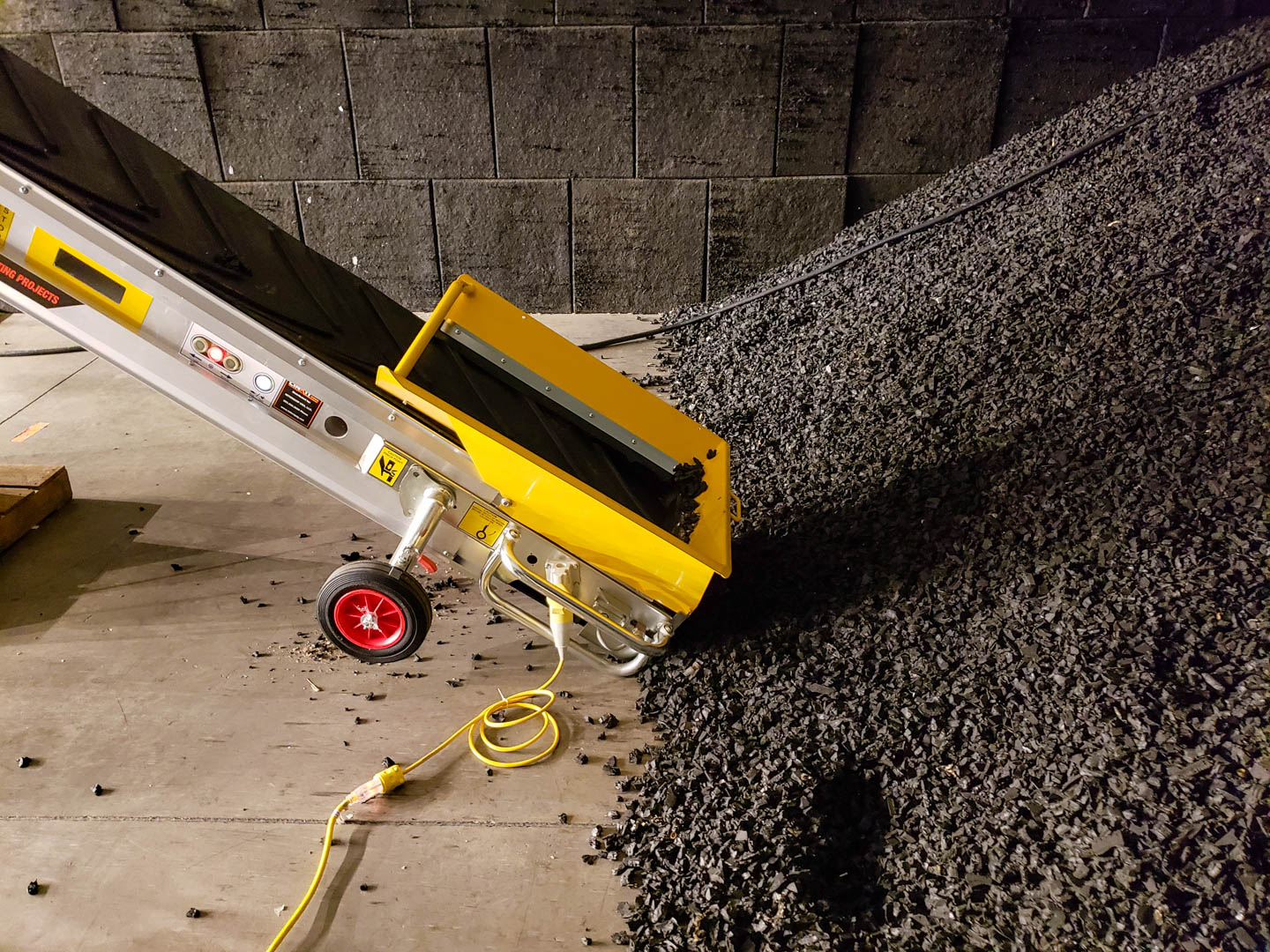
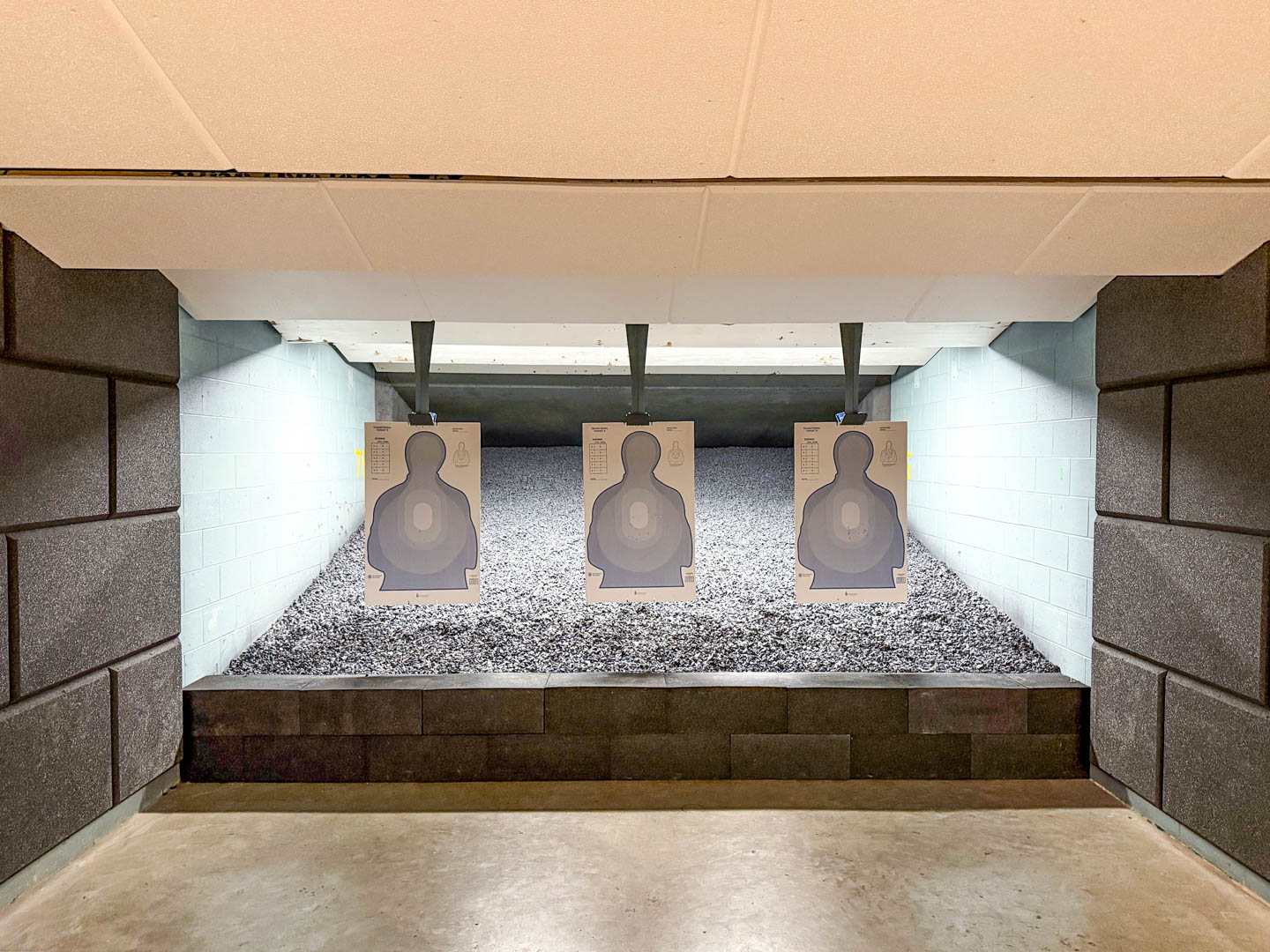
The Rubber Berm Trap™ uses engineered rubber granules in a galvanized steel frame to absorb projectile energy.
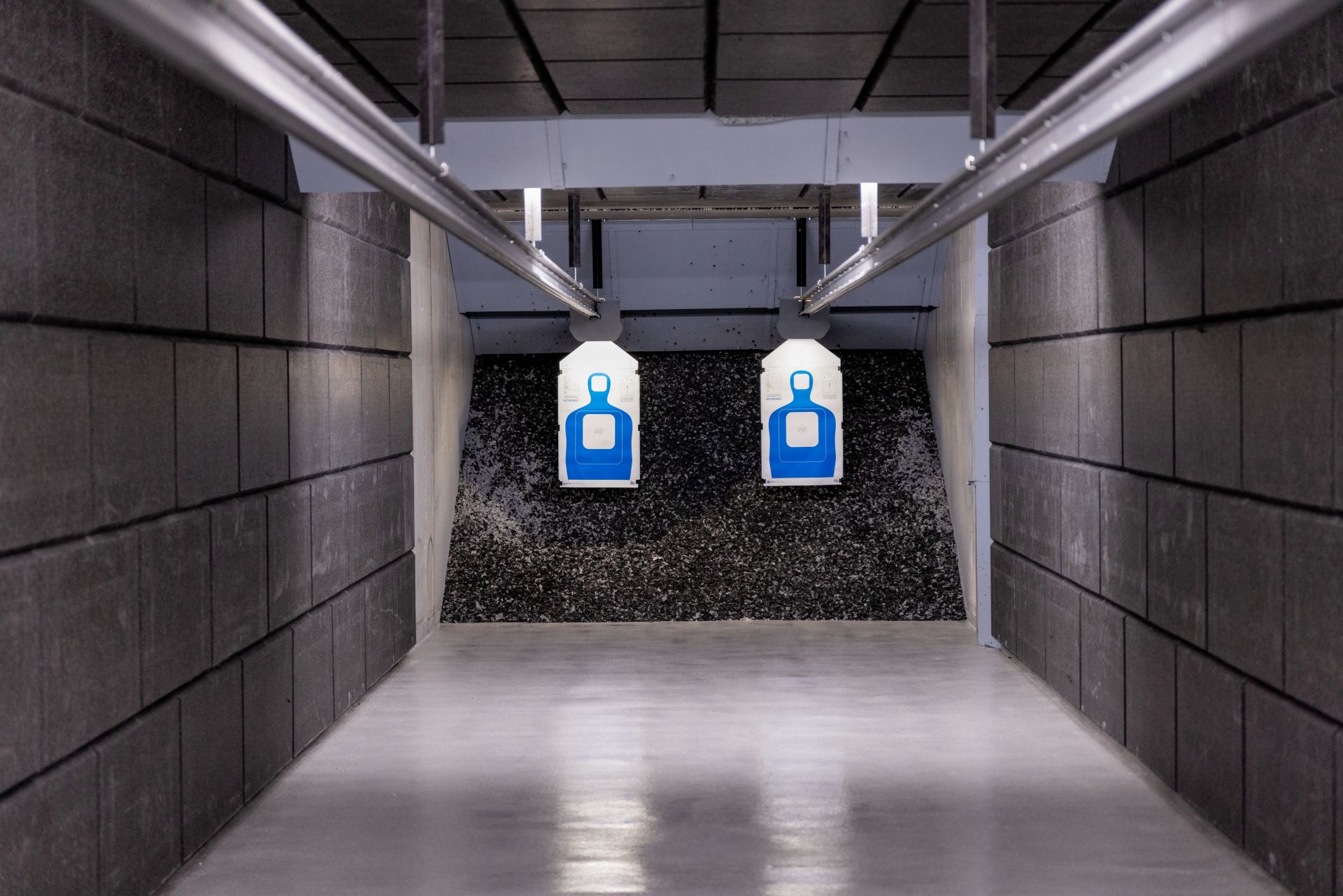
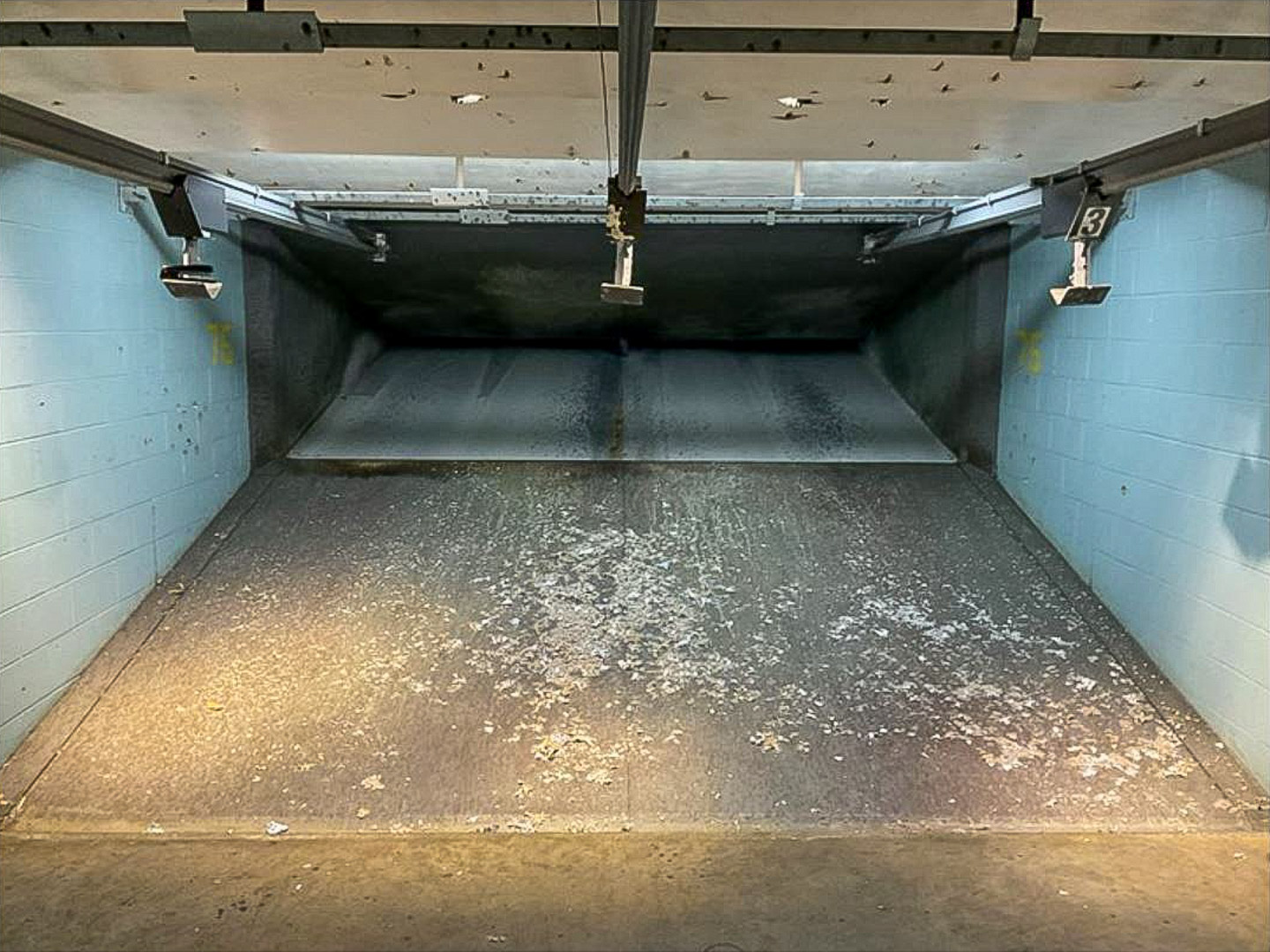
The Total Containment Trap™ uses ballistic steel funnel plates and a Vortex™ deceleration chamber to fully contain bullets and deposit them into an integrated bullet collection system.
Action Target’s Rubber Berm Trap™ uses styrene-butadiene rubber granules held in a galvanized steel internal frame to absorb and capture rounds cleanly and quietly.
The system is available in multiple granule sizes and grades, supports a wide range of calibers with an optional .50 BMG upgrade, and can be configured with AR steel sidewalls, overhead baffles, and optional Flame Lock™ fire-resistant treatment.
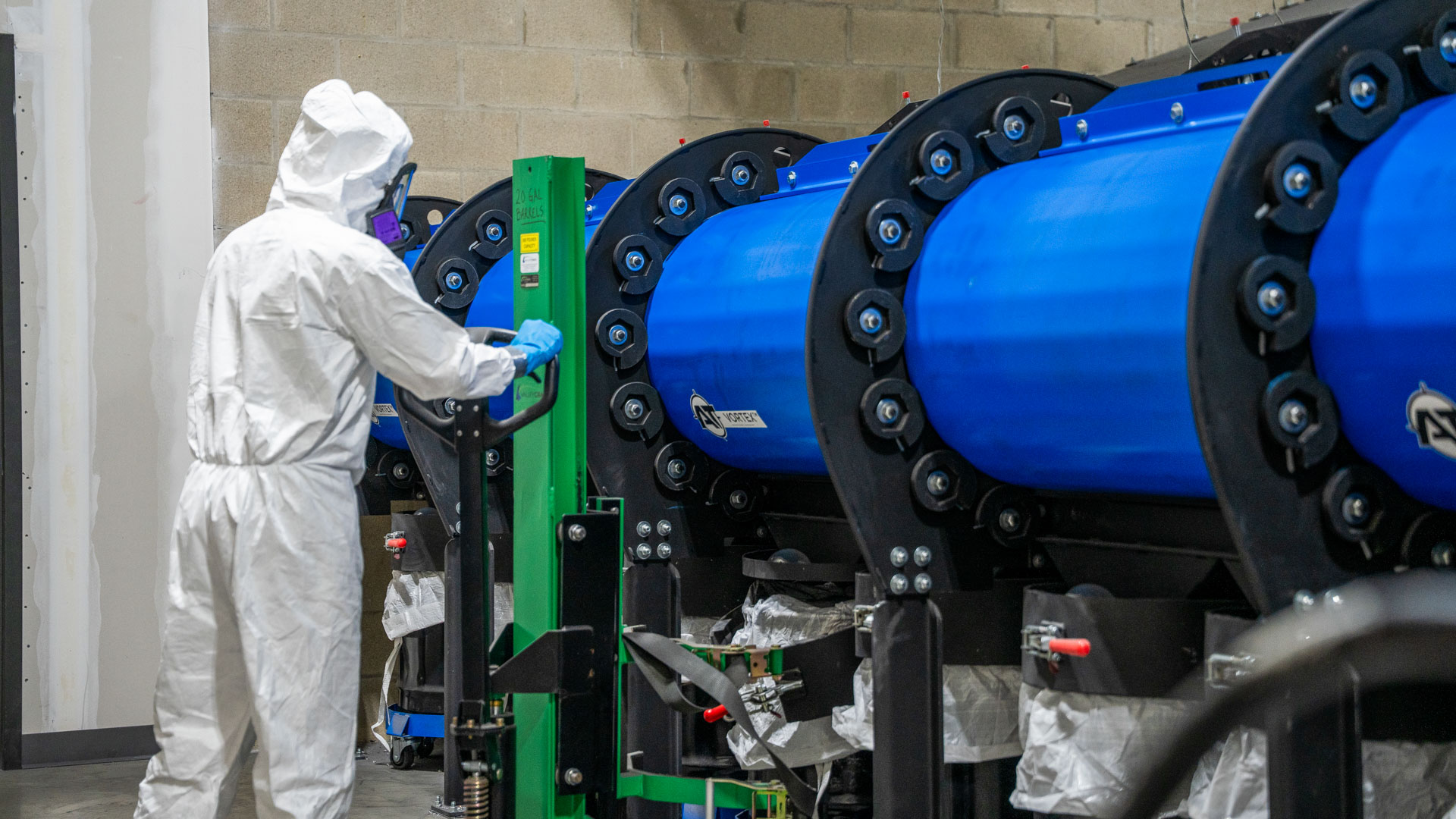
The Total Containment Trap™ uses precision-angled ballistic steel deflector plates to steer rounds into the Vortex™ deceleration chamber, where bullets spin along the chamber wall before dropping into an integrated collection system.
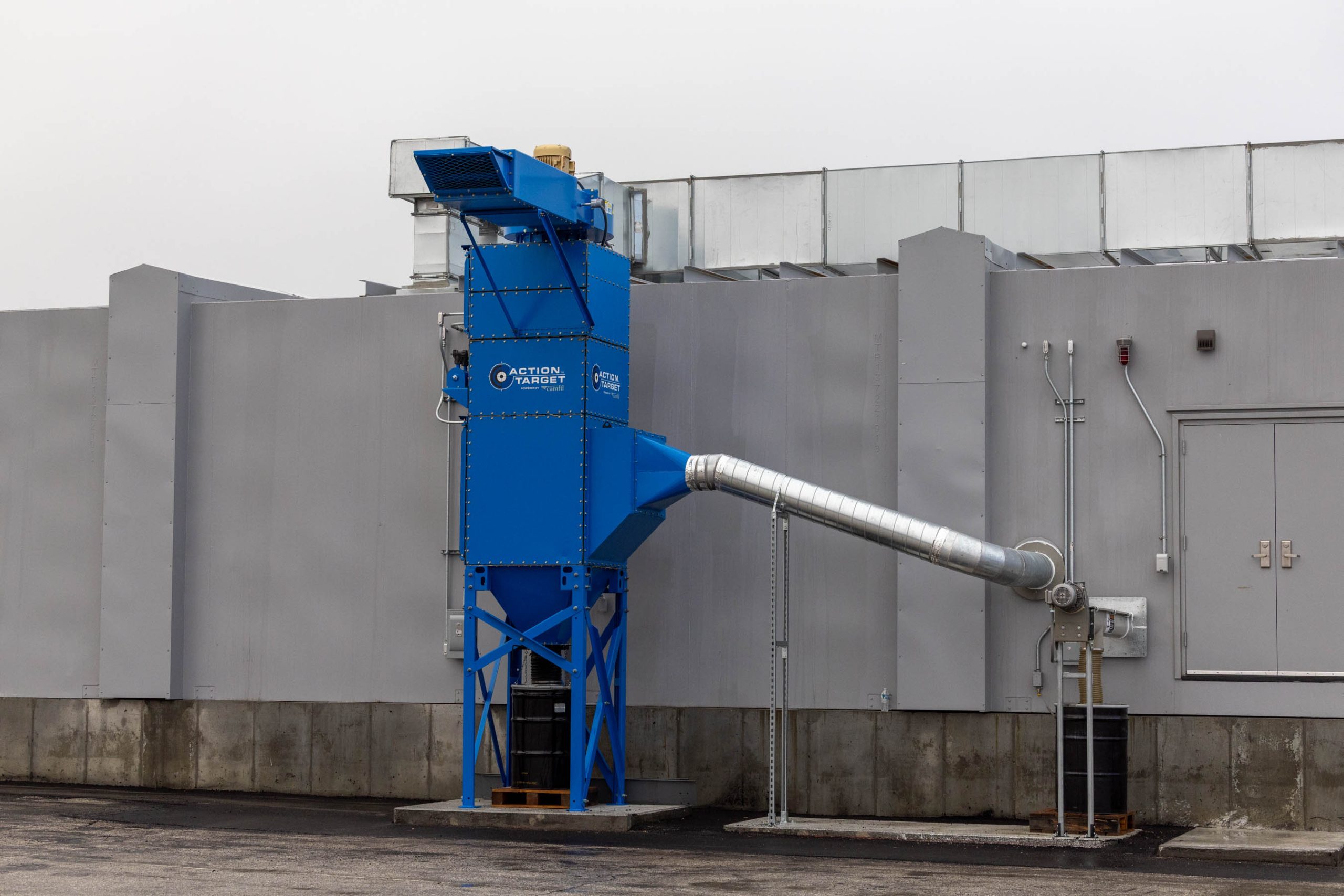
Its modular construction supports close-range and cross-lane training, requires no rubber or water-based cleanup, and includes an integrated Dust Collection Unit to capture lead dust at the source.
The bullet trap is the foundation of range safety, compliance, and operational efficiency.
A proper mission-fit considers:
This is especially critical for military and law enforcement gun range environments, where high-volume, close-range training is routine.
Not every factor carries equal weight for every range. Use this breakdown to identify which system aligns with your priorities.
Each system delivers proven containment, but the training environment you’re designing for should drive the decision.
The Rubber Berm Trap provides clean, quiet bullet capture with excellent energy absorption. Because bullets decelerate in rubber rather than impacting hard steel, the system produces significantly less noise, which is an important consideration for commercial, urban, and mixed-use facilities where noise is an operational or regulatory concern.
Optional AR steel sidewalls and overhead baffles provide additional protection for:
This makes rubber berm traps a strong option where noise control and shooter experience are priorities.
The Total Containment Trap supports a wide range of objectives with its steel funnel geometry and enclosed Vortex™ chamber by minimizing splash and directing projectiles into a controlled deceleration path.
This makes TCT systems well suited for:
As a result, they are generally recommended for military, law enforcement, and high-use commercial ranges that need efficient bullet collection and reduced maintenance downtime.
Action Target’s range consultants work with you from the start to select the right bullet trap for your mission and long-term goals.
Rubber berm traps carry an inherent fire risk, but that risk can be significantly reduced with proper maintenance. Regular cleaning and mining help remove accumulated rounds, bullet fragments, rubber fines, gunpowder residue, and debris from the rubber media, all of which can contribute to unsafe conditions if left unmanaged.
Action Target further reduces this risk with optional Flame Lock™ treatment. Applied to the rubber granules, Flame Lock™ achieves ASTM E84 and ASTM E108 Class A ratings, the industry’s highest fire rating. If you’re planning to install a rubber berm trap, the Flame Lock™ option is worth serious consideration regardless of facility type.
Ammunition type also plays a role. Tracer and incendiary rounds are not recommended for rubber berm traps because they significantly increase the risk of ignition.
Steel traps like the Total Containment Trap don’t carry the same fire risk, which is one reason they’re commonly preferred in high-round-count facilities.
How each system handles lead and dust has direct implications for staff safety, regulatory compliance, and operational costs. The right choice depends on how much manual intervention your range can support and how tightly your facility is held to air-quality standards.
The integrated DCU uses negative pressure and a patented uptake manifold to capture lead dust at the source, drawing it into closed, transport-ready containers. This minimizes exposure for shooters, staff, and service personnel.
High-efficiency filtration cartridges deliver cleaner air with a lower pressure drop, extending filter life and keeping lanes open with predictable, quick-change maintenance.
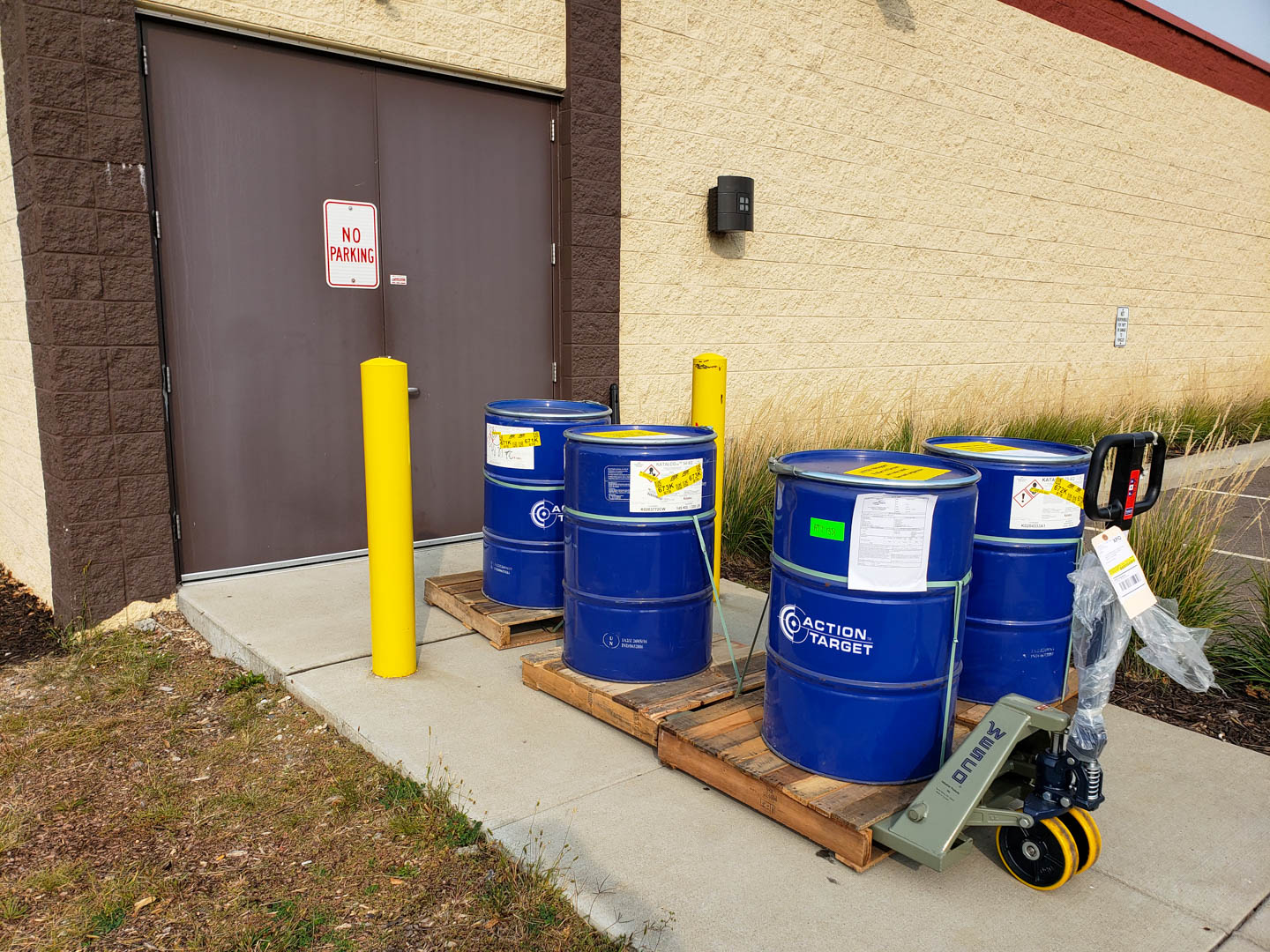
Recovered lead is deposited into a sealed containment system for recycling; net value varies with London Metals Exchange rates.
When comparing bullet traps, use OSHA’s lead standard (29 CFR 1910.1025) as your baseline, but weigh trap selection against your range’s requirements. High-throughput ranges often benefit most from designs that simplify day-to-day lead dust control through engineering controls and housekeeping, while many moderate-sized commercial ranges may find that maintaining and cleaning a rubber berm trap offers a lower total cost of ownership.
Upfront, rubber berm traps cost significantly less. The Total Containment Trap requires a higher initial investment.
However, upfront cost is only part of the picture. Total containment traps generally reduce labor and downtime costs through automation and integrated dust control. They also generate lead recycling revenue more efficiently. Over a multi-year horizon at a high-round-count facility, those factors can meaningfully close the gap.
Rubber berm traps offer a lower entry cost, quieter operation, a smaller footprint, and flexible caliber support, but they require more hands-on maintenance investment over time.
The most cost-effective solution is the one aligned with your operational reality. Round count, training tempo, and how often your range will need servicing will point you toward the right system faster than any feature list.
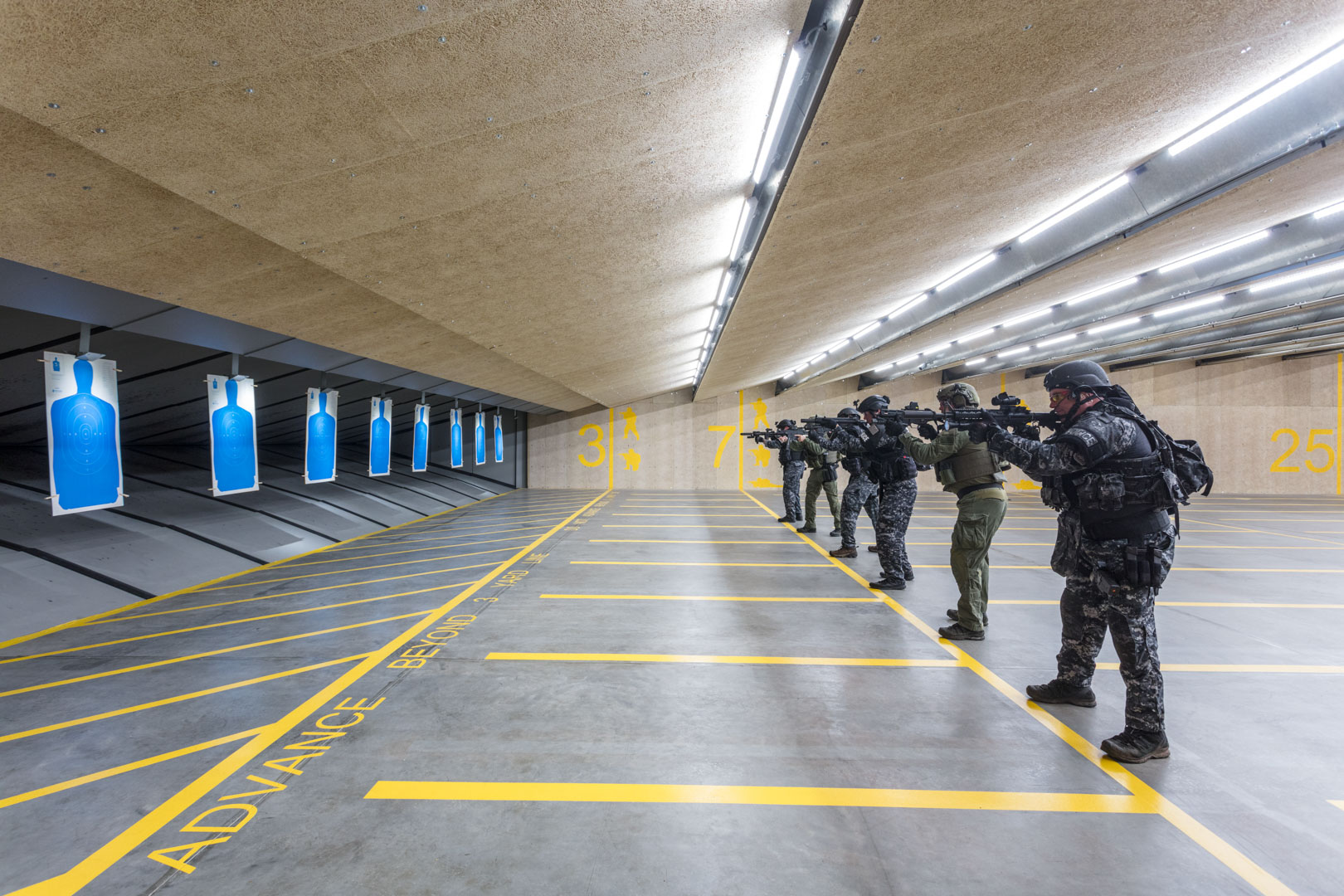
Below you’ll find recommended bullet trap configurations broken down by range type, from military and law enforcement facilities to commercial ranges and space-constrained builds.
As training needs, shooting volume, budgets, or maintenance priorities shift, a range may be able to retrofit from one bullet trap style to another without rebuilding the entire facility.
A steel trap may be replaced with a Rubber Berm Trap when shooting volume no longer calls for steel containment, and reduced noise or a different maintenance model better fits the program. A Rubber Berm Trap may also be upgraded to a Total Containment Trap when higher volume, faster bullet collection, and reduced downtime become priorities.
Action Target can evaluate the space you have and recommend a practical retrofit path. Moving from a Rubber Berm Trap to a TCT may require added room for the deceleration chamber, bullet collection system, and service access. Learn more about Action Target’s range retrofit and upgrade options.
Both the Rubber Berm Trap™ and Total Containment Trap™ are engineered, professional-grade solutions, but they’re designed for different training demands, facility constraints, and operational priorities. Backed by 40 years of experience, Action Target works with agencies, architects, and range operators to deliver engineered specifications and ROI-driven bullet trap recommendations that align safety, performance, and long-term value.
Ready to build or upgrade your range? Contact an Action Target consultant today. We’ll help you select the right bullet trap for your current mission and the demands ahead.
Rubber berm traps absorb bullets using rubber granules, while steel bullet traps like the Total Containment Trap use engineered steel plates and an enclosed Vortex chamber to decelerate and collect bullets.
Both traps support close-range and cross-lane training with proper tactical range design. The Total Containment Trap is better suited for high-volume tactical environments where rounds consistently impact the same location, while the Rubber Berm Trap requires consistent maintenance to manage rubber wear and minimize back splatter risk at close distances.
Yes, but the risk is greatly reduced with proper maintenance. Regular cleaning and mining remove accumulated residue, debris, and bullet fragments from the rubber media. Action Target also offers optional Flame Lock™ treatment, which gives the rubber granules an ASTM E84 and ASTM E108 Class A fire rating.
Rubber berm traps require cleaning approximately every 80,000 rounds per lane. Action Target partners with MT2 to deliver this service with minimal range downtime.
Steel traps generate lead dust through bullet fragmentation on impact, but the Total Containment Trap’s integrated Dust Collection Unit captures that dust at the source using negative pressure. Rubber berm systems produce less initial fragmentation, but lead exposure risk increases during rubber granule harvesting if proper procedures aren’t followed.
OSHA’s lead standard (29 CFR 1910.1025) applies to shooting ranges as general industry workplaces. Ranges operating at high volume may also be subject to EPA requirements. Both mandate lead abatement plans, and high-exposure operations may require a formal respiratory protection program.
The Rubber Berm Trap requires significantly less floor space than the Total Containment Trap. The TCT’s Vortex deceleration chambers and bullet collection systems require additional room beyond the trap itself, including clearance for servicing the chambers and removing collection systems, making the RBT a more practical choice for space-constrained facilities.
Yes. Action Target’s Rubber Berm Trap supports a range of calibers and is available with an optional .50 BMG rating for the highest-demand applications.
Yes. Action Target’s Total Containment Trap supports a range of calibers and is available with an optional .50 BMG rating for the highest-demand applications.
It depends on your round count and operational profile. Steel traps cost more upfront but can reduce long-term maintenance costs at high-volume facilities where rubber berm cleaning would be frequent. For smaller ranges with lower round counts, the maintenance intervals are infrequent enough that the Rubber Berm Trap’s lower entry cost is the stronger value. The right answer depends on how hard your range works.
Yes, both systems support lead recovery, and Action Target offers metals recycling at London Metals Exchange rates. The Total Containment Trap streamlines recovery through its integrated bullet collection systems. Rubber berm systems also support lead recovery, and the value recovered can help offset the cost of berm cleaning.
From your first question to your final shot, Action Target is your trusted partner—guiding you every step of the way.

"*" indicates required fields
"*" indicates required fields
"*" indicates required fields