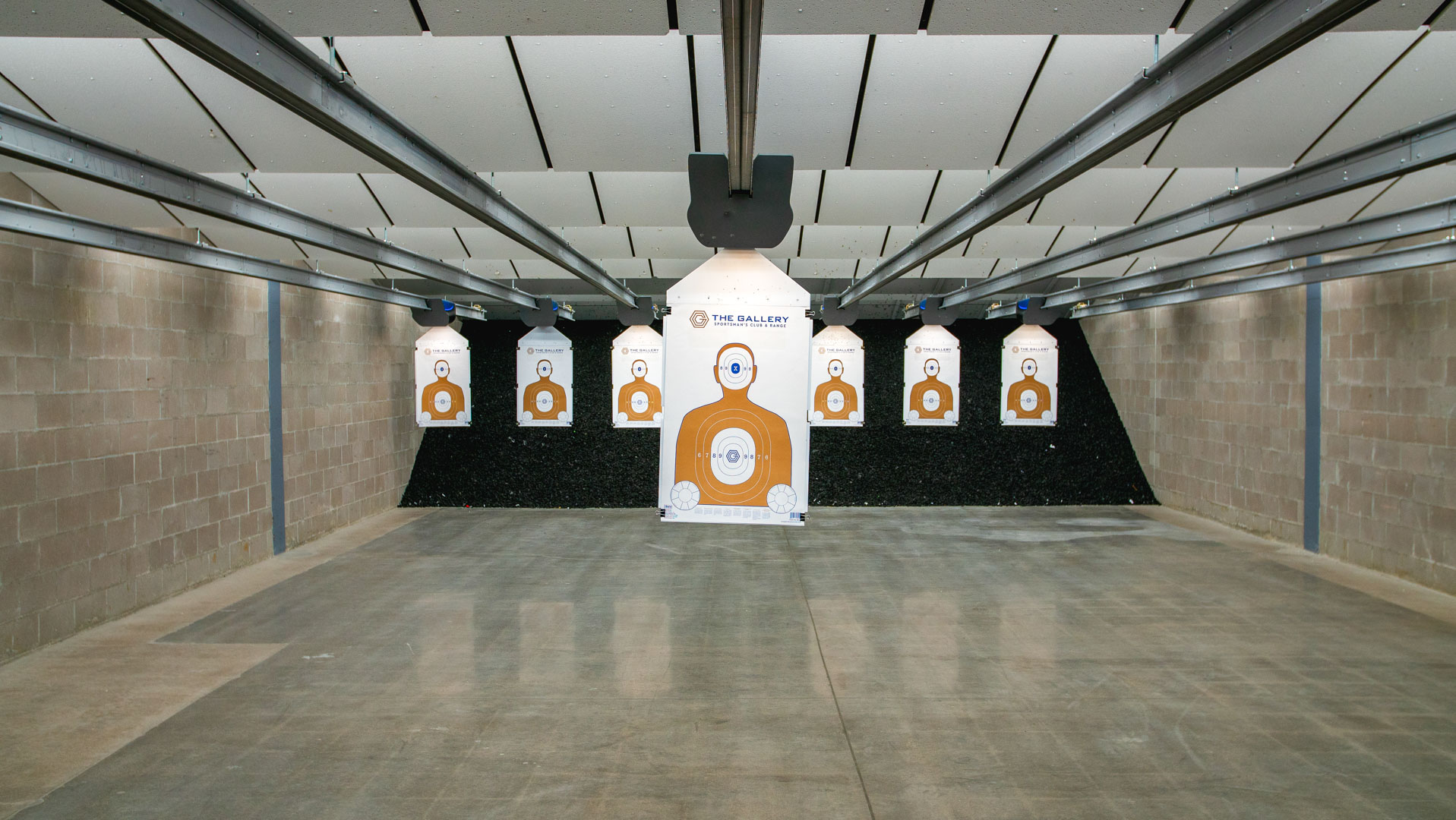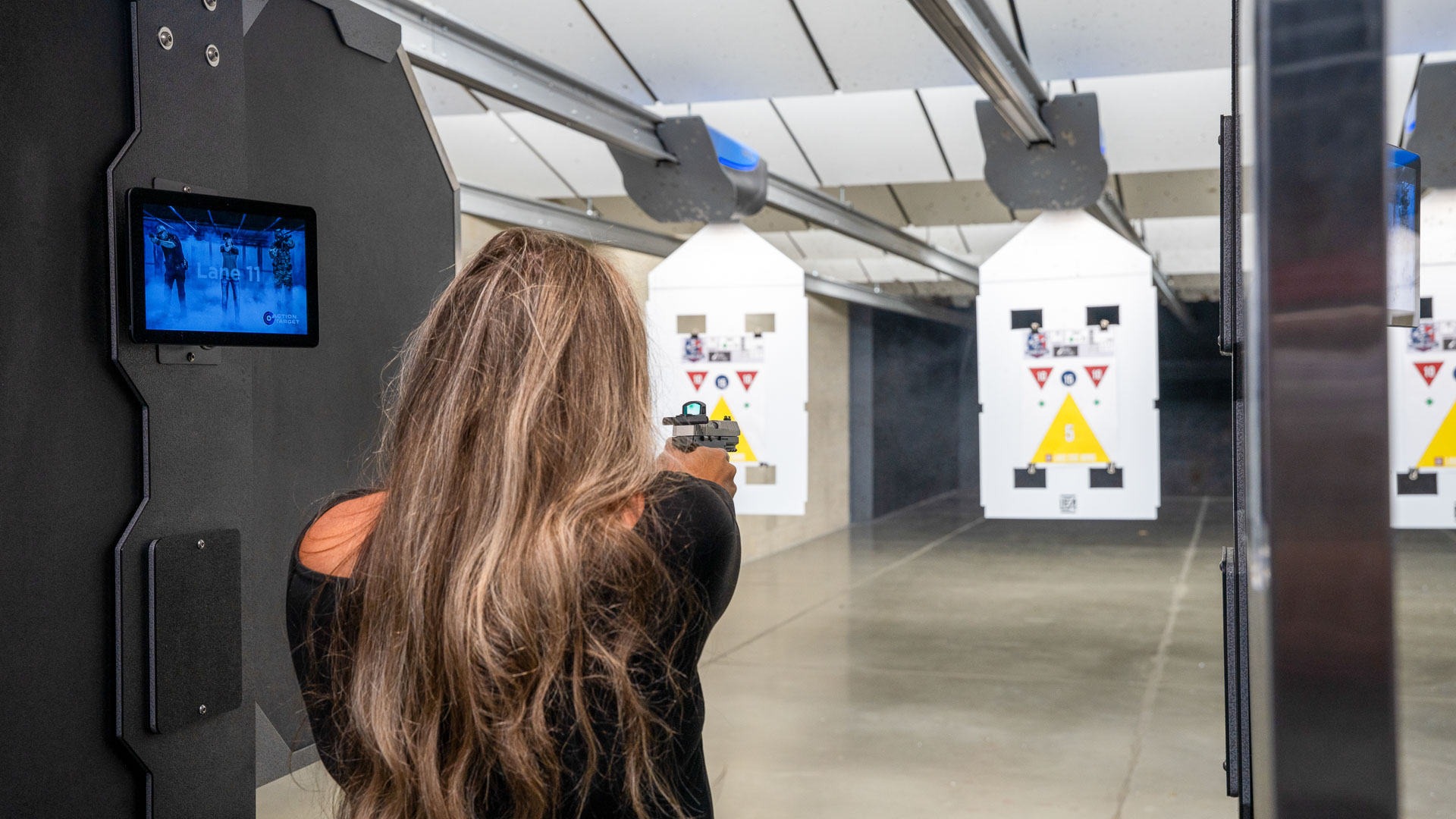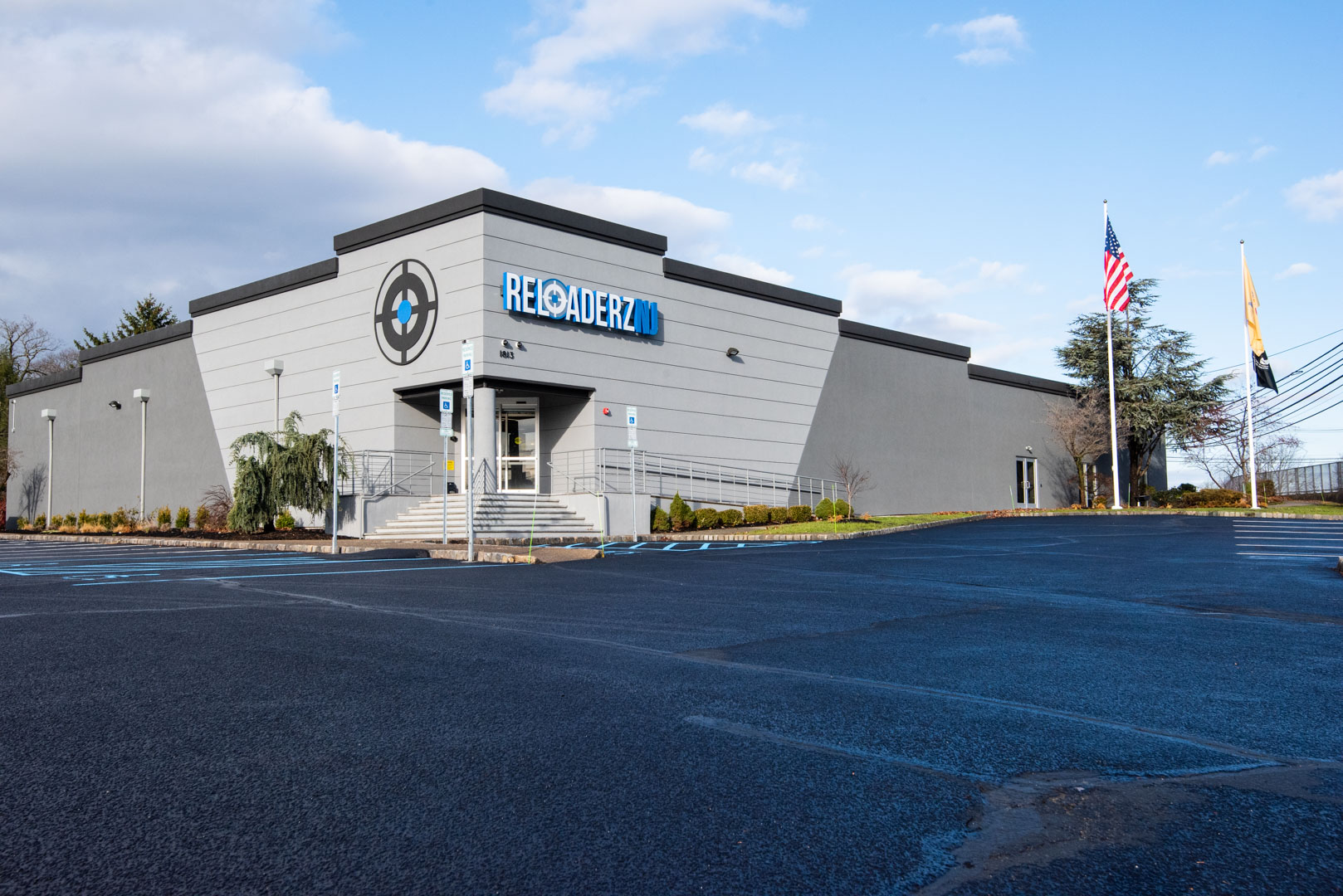
How to Open a Shooting Range: A Guide to Building and Launching a Commercial Shooting Facility

QUICK ANSWER

  • Use our “How to Open a Shooting Range” guide to plan and ask better questions: it’s a high-level roadmap for owners/operators, and it clarifies where you’ll need specialists for design, compliance, and risk management.
  • Treat your project like a specialized facility, not just a retail build-out: indoor ranges can live or die by engineered systems, especially ventilation, lead control, and noise management, plus a disciplined operating program.

  • Permitting and design happen in a sequence: you’ll move from concept → feasibility → approvals → build → commissioning → opening, and skipping steps usually costs more later.

Table of Contents

WHO THIS GUIDE IS FOR

This guide is for people planning to open, own, or operate an indoor commercial shooting range, including:

  • Entrepreneurs launching a commercial facility for public use or members-only access
  • Retail stores adding a shooting range component to their business
  • Existing range owners looking to improve, expand, or upgrade their facility
  • Organizations adding a shooting range to their business model (training-focused facilities)
  • Anyone interested in custom range design for unique purposes

It’s aimed at decision-makers who want a clear, practical overview before committing to major expenses like a lease, architectural plans, ventilation design, and range equipment.

WHAT THIS GUIDE COVERS AND WHERE SPECIALISTS COME IN

This guide will help you understand the “what” and “when” so you can budget realistically, avoid common pitfalls, and coordinate the right people at the right time. Our goal is to help you properly plan and implement strategies to keep your project on track and on budget.

COVERED IN THIS GUIDE

  • Defining your business model (lanes, memberships, training, retail)

  • Early feasibility checks for indoor ranges (site viability, big cost drivers)

  • The typical permitting/approval path and why order matters

  • Facility system categories you must plan for (range area, ventilation, acoustics, containment)

  • Operational readiness basics (SOPs, staffing, training, marketing, and maintenance mindset)

TYPICALLY REQUIRES SPECIALISTS

  • Range design/engineering (layout, safety design, containment approach)

  • Architect + MEP engineering (mechanical, electrical, plumbing plans and capacity requirements)

  • Ventilation + air quality planning and verification (often with help from an air quality and worker-safety specialist)

  • Legal and regulatory counsel (zoning strategy, contracts, liability planning)

  • Insurance (carrier requirements, documentation expectations, risk controls)

BIG-PICTURE TIMELINE

We can break down the timeline for a commercial range into seven main phases. Navigate the tabs below to learn more about each one.

Clarify your model, customer base, and scope (what you will and won’t offer).

Validate demand, rough budget ranges, and whether a site can realistically work.

Zoning/land use (if needed), building/fire planning, and jurisdiction requirements.

Finalize range design + MEP plans, integrate safety, ventilation, and noise control early.

Construction, equipment install, and systems integration.

Verify key systems perform as designed, train staff, finalize SOPs, run dry-runs.

Soft opening, continuous improvement, maintenance, documentation, marketing, and recurring training.

CHOOSE YOUR RANGE CONCEPT AND BUSINESS MODEL

Before you look at buildings, ventilation specs, or lane equipment, you need a clear concept and business model. For an indoor commercial shooting range, your earliest decisions affect everything that comes after: facility requirements, staffing, permitting complexity, and whether your numbers work. In this section, we help you define what you’re building, who it’s for, and how it will make money using Action Target’s expertise and industry network. If you want help making the right connections, contact Action Target early so our team can connect you with trusted partners and resources.

  • Range format: Decide whether you’re primarily lane-rental, training-first, membership-led, or a range + pro shop.

  • Core offerings: Set lane count/length goals and whether you’re handgun-only or mixed-caliber. This shapes space, equipment, and design requirements.

  • Target customer: Be specific about who you’re serving (first-timers, enthusiasts, members, instructors, and potentially LE/military users) so your experience and staffing match demand.

  • Lane rentals: Choose whether you’ll run walk-ins, reservations, or a mix, then consider setting higher peak-hour rates and lower off-peak rates to balance demand and staff coverage.

  • Memberships: Build tiers with benefits that don’t overwhelm capacity (priority booking, guest passes, lane perks).

  • Training: Offer classes and private instruction that convert first-time visitors into repeat customers and members.

  • Retail and rentals: If you add a pro shop, align inventory and rentals with your customer base and operational bandwidth.

  • Lane-hours: Your revenue ceiling is lanes × hours × utilization. Your model should raise utilization without compromising safety.
  • Throughput: Check-in, waivers, orientation, and customer changeover limit how many shooters you can serve. Plan the customer flow before you plan growth.
  • Staffing: RSOs, instructors, and maintenance are not optional. Build the schedule around safe coverage and consistent service.
  • Pricing guardrails: Price for sustainability, including maintenance and compliance costs, not just “getting people in the door.”

"IF I HADN'T CONNECTED WITH A RANGE CONSULTANT FROM ACTION TARGET EARLY, THERE'S A DISTINCT POSSIBLITY WE WOULD'VE NEVER GOTTEN OFF THE GROUND."

- JIM WEST, CO-FOUNDER AND CEO OF LAKE ERIE ARMS

HOW DO MEMBERSHIPS, TRAINING COURSES, AND AMENITIES INCREASE REVENUE?

As you plan your business model, consider key revenue drivers like memberships, training courses, and on-site amenities. These offerings can turn your range from a one-time visit location into a repeat destination. They also stabilize revenue by adding predictable income and higher spend per customer. The key is designing these offerings to fit your lane capacity, staffing plan, and customer mix.

STRONG MEMBERSHIP VALUE

- SEE MORE -
Strong memberships are built on clear value, not just discounts. Give members benefits that reduce friction and improve access, such as priority reservations, guest passes, member-only lane hours, VIP lounges, or included targets and rentals. Keep tiers simple, protect peak-hour capacity, and make sure your staff can deliver the perks consistently.

TRAINING FOR EVERYONE

- SEE MORE -
Training grows revenue and improves safety, but only if you offer a pathway customers can follow. Start with beginner-friendly classes that reduce intimidation and create repeat visits, then build progression into intermediate skill builders, specialty courses, and coaching. For advanced and professional users, offer structured programs that can be scheduled and repeated, helping keep lanes booked during slower hours and low-traffic days.

DESTINATION EXPERIENCE DESIGN

- SEE MORE -
Amenities can increase dwell time and attachment rates, but they must support flow instead of creating bottlenecks. A comfortable lobby, lounge seating, and a place to eat can turn waiting into spending and improve the experience for groups and families. The design goal is simple: make it easy for customers to check in, train, shoot, and relax without slowing down the range line or overwhelming staff.

MARKET RESEARCH AND FEASIBILITY

Demand and feasibility start with how far customers will travel and what nearby ranges already offer. We can’t stress enough the value of visiting existing commercial ranges and taking notes. Compare competitors on lane availability, pricing/memberships, training, wait times, cleanliness, and rentals/retail, then choose a customer experience problem you can solve best.

Next, confirm that your site and model are viable: approvals, ventilation/filtration, noise control, containment, power, and safe traffic flow. Include insurance and ongoing operating costs early so your budget reflects real-world operations, not just build-out.

FEASIBILITY QUICK CHECK

  • Demand: Do our lane-hour assumptions match how far customers will actually travel and what nearby ranges already offer?

  • Building + approvals: Can the site be permitted, and can the building support ventilation, noise control, containment, and power needs?

  • Financial reality: Do the numbers work after range-specific build-out, insurance, staffing, and recurring maintenance/compliance costs?

LEARN THE RANGE BUILD PROCESS AT RDDS

Action Target’s Range Development and Design Seminar (RDDS) walks you through a step-by-step process to plan and build your shooting range. You’ll meet with range consultants and subject matter experts, visit a local shooting range, and get answers to key questions on location, zoning, range design, ventilation, lead management, retail space, and community relations.

SITE SELECTION AND DUE DILIGENCE

For an indoor commercial shooting range, site selection usually means choosing between two paths: retrofit an existing facility or develop a new build. That decision affects cost, timeline, permitting risk, and what the building must support. Bringing Action Target into the conversation at this stage helps you evaluate feasibility with more confidence, spot range-specific requirements sooner, and plan a smoother path from site selection to opening day.

  • Retrofit when the “bones” are sound: If the building layout, structural conditions, and mechanical capacity are workable, a retrofit can modernize the facility without starting over.
  • Why retrofits can make financial sense: You may reduce downtime and avoid major demolition while securing a high-traffic site with established access, parking, and visibility.
  • Choose a new build when constraints are deal-breakers: If the footprint, ceiling height, structural limits, power, or mechanical capacity cannot support range requirements, a new build (or major rebuild) is often the cleaner long-term option.
  • Existing conditions you can verify: Confirm the structure is in good shape and you can realistically route ventilation supply/exhaust and filtration where it needs to go.
  • Layout flexibility: Validate that walls, columns, and back-of-house space won’t force unsafe traffic flow or limit future changes.
  • Neighbors and constraints you inherit: Existing sites often come with established neighbors, shared walls, and access limitations. Understand what’s already in place so you can plan around it.
  • Control over the footprint: Ensure the parcel and building plan support the lane layout, safe flow, and support spaces (lobby, classrooms, restrooms, storage, mechanical rooms).

  • Utilities and infrastructure planning: Confirm you can bring in sufficient power and design HVAC/ventilation capacity from the start, with room for future expansion.

  • Approval and development risk: New builds require careful coordination across site planning, utilities, code review, and permitting. Involve Action Target early so our team can help you anticipate requirements and plan a smoother route.

FUNDING AND FINANCING OPTIONS

Most indoor commercial ranges use a mix of owner cash plus one or more financing tools. The goal is to match the right type of funding to the right type of cost, so you are not using short-term money for long-term construction or buying equipment before the build-out scope is defined. Start by separating what you need to pay for, such as real estate, build-out, equipment, and working capital, then match the financing source to each category.

Open the tabs below to review the Funding Breakdown table and Resources list for more detail. Action Target can also help connect you with industry contacts who can guide you through this part of the process. That said, Action Target is not a financial advisor, and final financing decisions should be reviewed with a qualified financial advisor and lender who understand your timeline, cash flow, and risk tolerance.

HOW MUCH DOES IT COST TO BUILD A COMMERCIAL INDOOR SHOOTING RANGE?

Want a clearer idea of what you may need to raise? Check out our article for a practical breakdown of major cost categories and budget drivers.

LEGAL, LICENSING, AND PERMITTING

Use this section as a workflow map, not legal advice. Requirements vary by city, county, and state, so local counsel and local authorities should guide final decisions. Action Target consultants can help you navigate this stage and also connect you with the right professionals as you move through the process.

BUSINESS FORMATION AND GOVERNANCE

Choose an entity structure that fits your ownership plan, taxes, and liability exposure. If you have partners or investors, lock in operating terms early (control, capital contributions, distributions, exit rules). Treat documentation as part of governance: SOPs, training logs, incident reports, and maintenance records reduce risk and support insurance and compliance.

ZONING AND LAND-USE APPROVALS

Start by confirming how your jurisdiction classifies an indoor range and what approval path applies: permitted by-right, conditional/special use, or a variance. If a public hearing is involved, plan to address the same concerns every time: noise, traffic/parking, safety, and hours. Expect conditions of approval and build them into your operating plan instead of treating them as afterthoughts.

FIREARMS-RELATED LICENSING (WHEN APPLICABLE)

Whether you need a Federal Firearms License (FFL) depends on your business model. You’ll need one if you intend to sell firearms, handle transfers, offer gunsmithing, or run certain rental programs. The ATF FFL process typically includes an application and requires each “responsible person” to complete the required questionnaire as part of that process.

BUILDING CODE, FIRE CODE, AND OCCUPANCY PLANNING

Your range bay, retail area, and classrooms can trigger different occupancy requirements, which can change egress, fire protection, and allowable layouts. Confirm life-safety needs early (exits, alarms, suppression) because these items commonly drive redesign and cost.

NOISE, NUISANCE, AND "RANGE PROTECTION" STATUTES

Even indoors, noise can become a permit issue and a neighbor-relations issue, so plan for how you’ll measure it and how you’ll control it (building envelope, operating hours, policies). Action Target provides customizable sound abatement options to help meet the specific needs of your facility. Range protection statutes vary by state and may limit certain nuisance actions, but they do not replace smart compliance planning and good documentation. 

ACCESIBILITY AND ADA

ADA compliance should be built into the plan from the start because retrofitting later is more expensive. Treat accessibility as a full customer path: entrance, routes, restrooms, and at least one practical shooting position or lane configuration as required.

WHAT INSURANCE DO YOU NEED FOR AN INDOOR SHOOTING RANGE?

Insurance is a key part of the planning phase. It affects financing, lease negotiations, and how you structure operations, so it’s worth planning early with a broker who understands shooting ranges. Action Target can help connect you with industry contacts who understand the insurance needs of range projects.

  • Most indoor ranges start with general liability, property, and workers’ comp, then add coverage based on services offered, such as professional liability, cyber, and umbrella.

  • Insurers will ask about your operations and controls, including how you manage employee exposure risks like lead and noise, because indoor ranges have unique hazards.

  • Approval often depends on documentation and details (services offered, staffing, procedures, incident history, and safety controls), so start the insurance conversation during planning to avoid opening delays.

RANGE DESIGN AND ENGINEERING

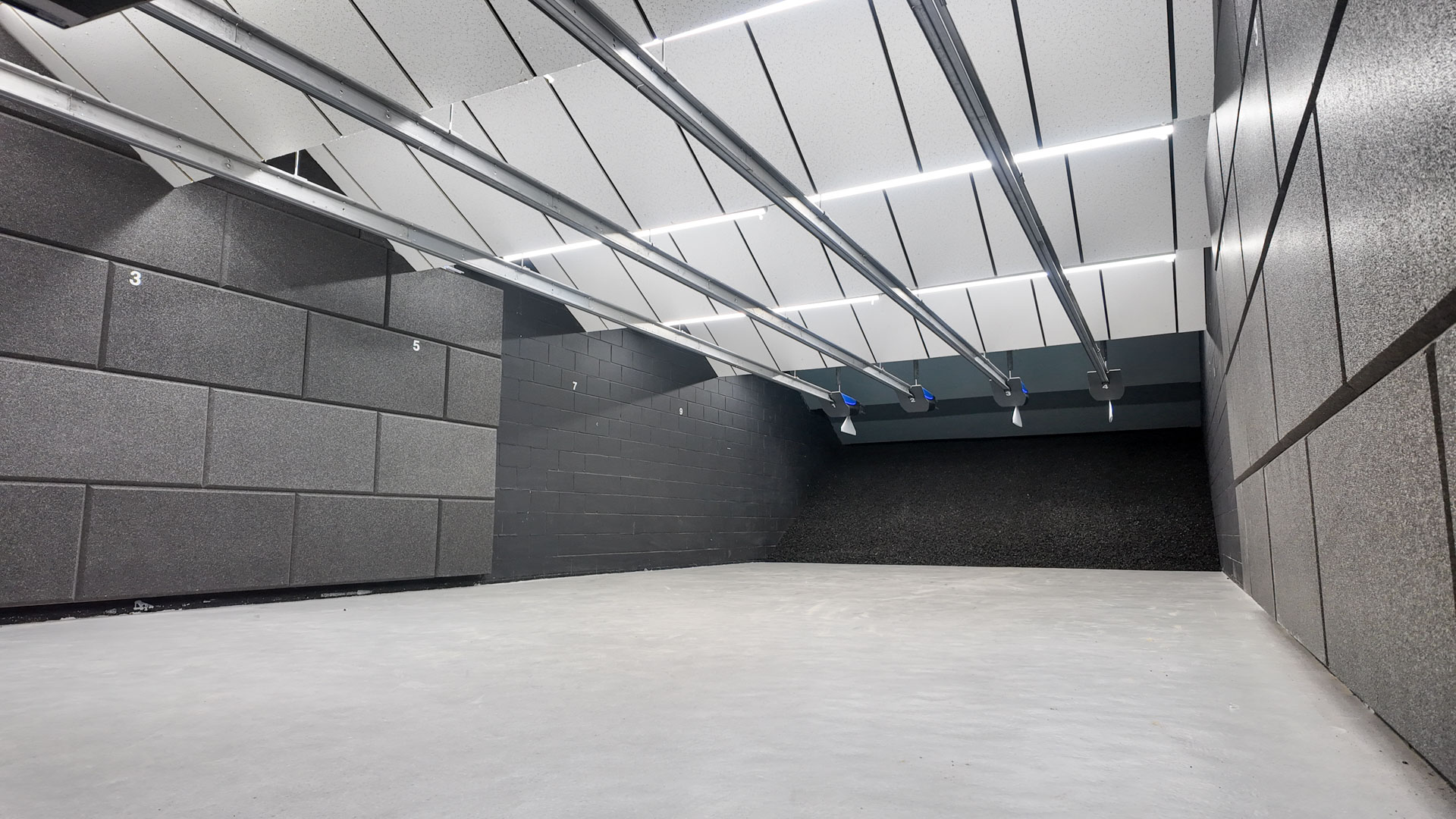
Indoor commercial ranges are engineered environments, not your typical retail build-out. This part of the project focuses on the systems that make the range safe, functional, and ready for long-term operation. Bringing in the right specialists, including Action Target range consultants, helps align safety, performance, and code requirements from the start.

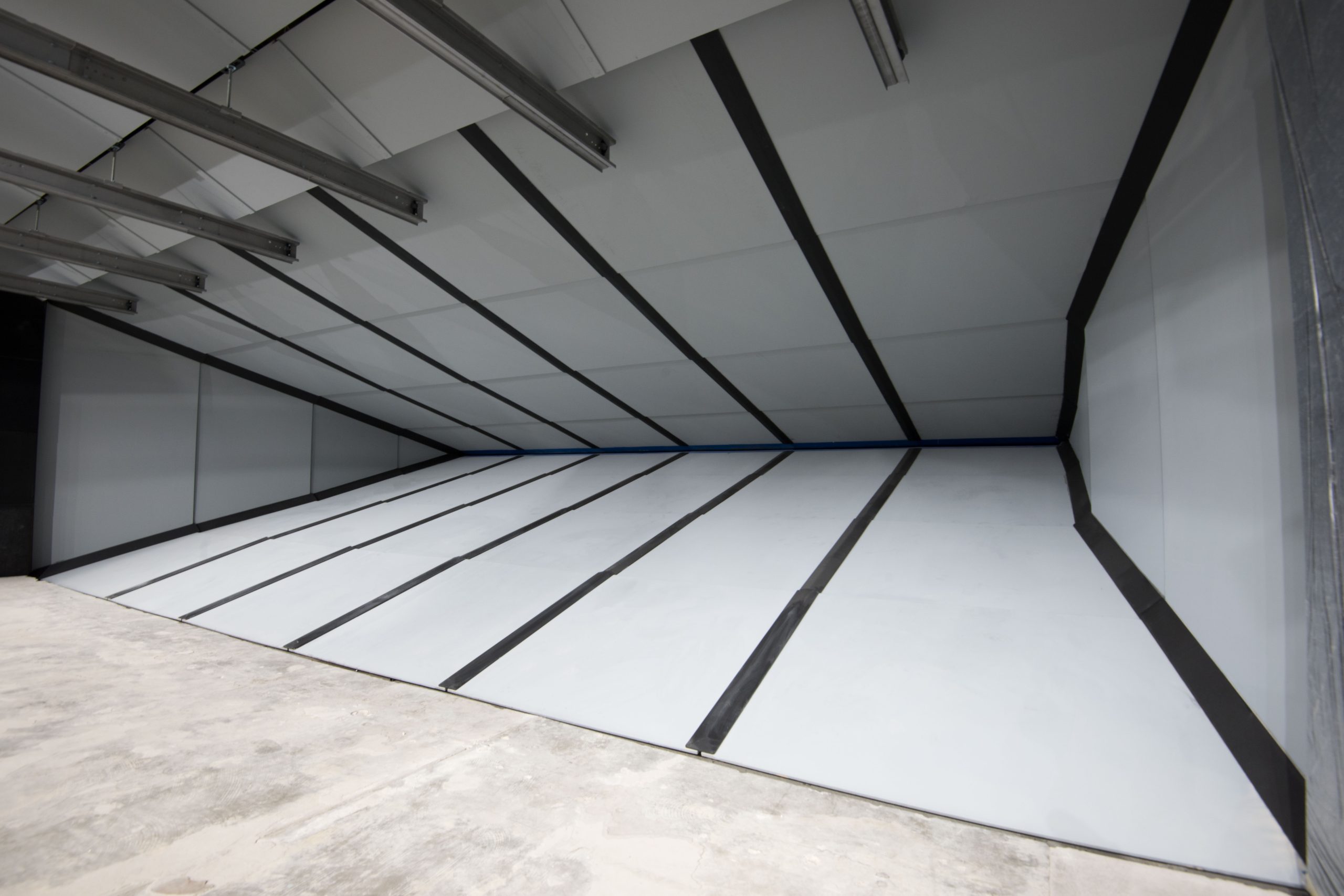
  • Containment planning: Define the right approach for bullet traps, baffles, sidewalls, and overall lane layout based on intended use and caliber plan.
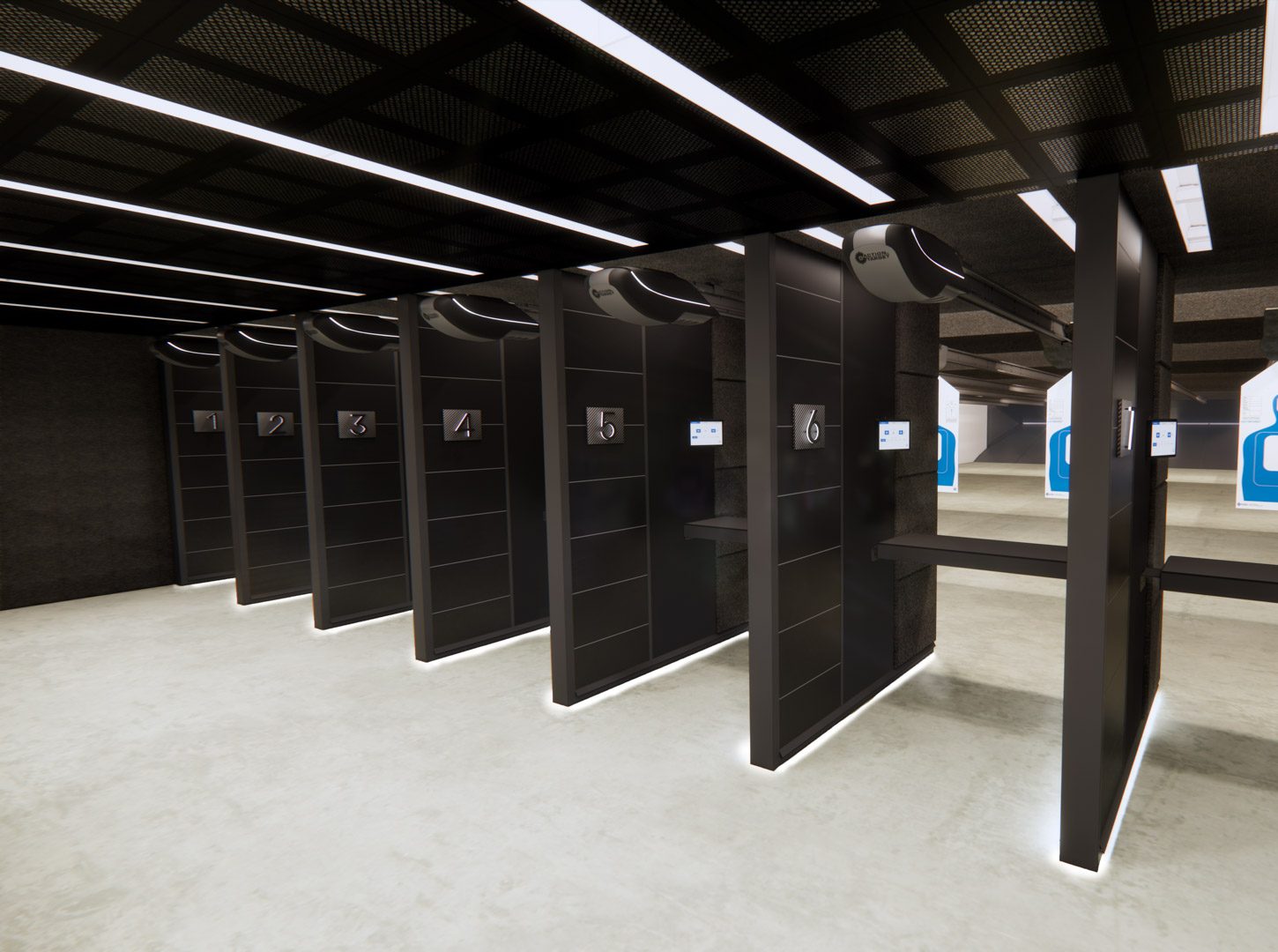
  • Lane and bay planning: Lane count, lane length, and any private bays affect room volume, traffic flow, and how other systems must be designed to support the space.
  • Support spaces: Storage, cleaning areas, and service access should be planned as part of the range layout, not added later.
  • Airflow design: Indoor ranges need airflow that consistently moves contaminants away from shooters and staff.

  • Filtration and serviceability: Ventilation systems should be designed for reliable performance and routine maintenance, with safe access for filter changes and service.

  • Performance verification: Testing and documentation help confirm the system is working the way it was designed to work before the range opens.

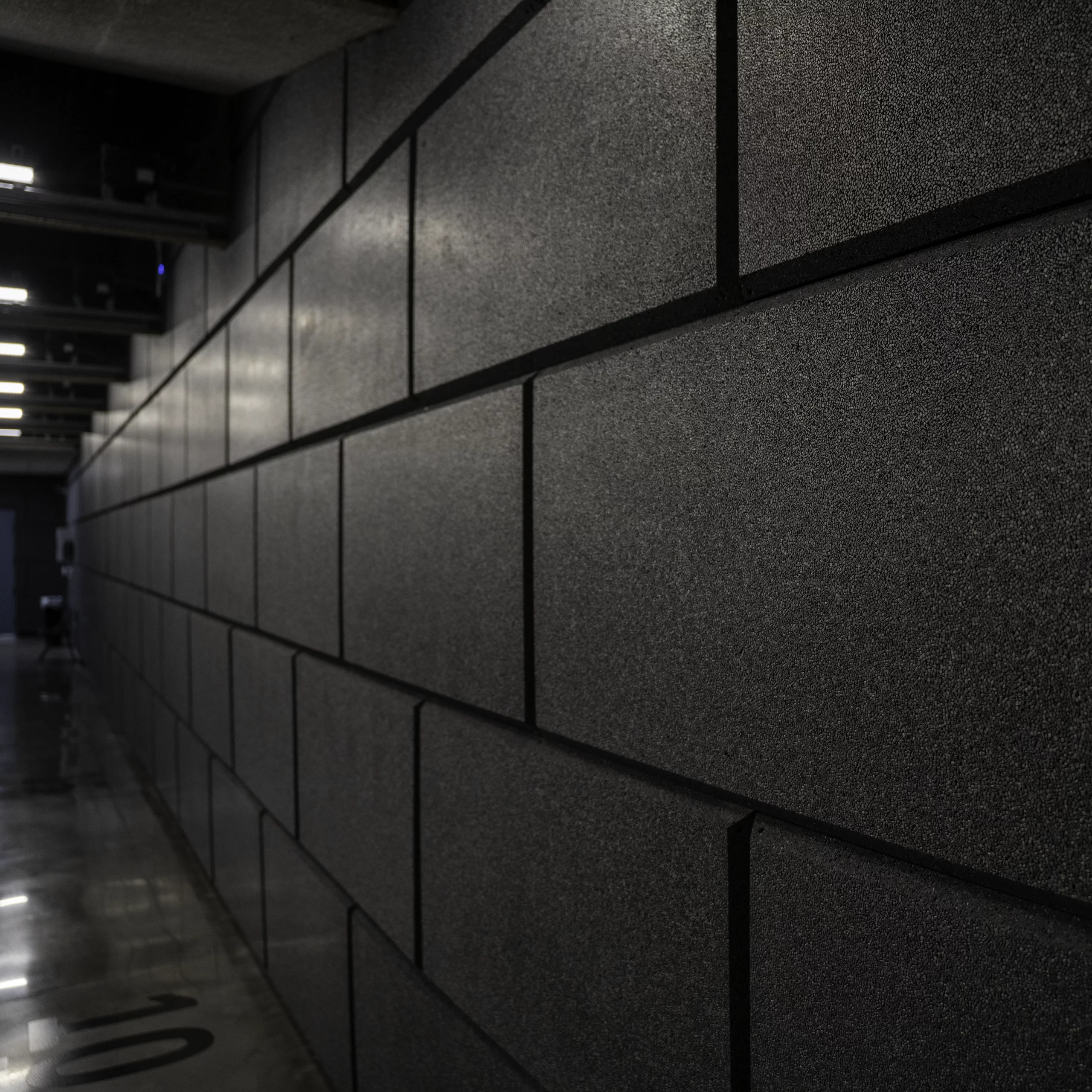
  • Noise management: Acoustic treatments and material choices help reduce harsh reverberation and improve communication on the firing line.
  • Lead-conscious design: Cleanable surfaces and thoughtful separation between range and non-range areas support safer long-term operation.
  • Operational readiness: Design decisions should support housekeeping, training, and the procedures needed to manage indoor range conditions over time.

START WITH A RANGE EXPERT

With 40 years of experience building shooting ranges, Action Target can help you plan smarter from day one. Our consultants guide decisions across design, engineering, equipment, and build-out so you stay on track to open your range.

RANGE SYSTEMS AND CUSTOMER EXPERIENCE DESIGN

Once the engineered foundation is in place, the next step is designing the systems customers and staff interact with every day. This includes shooting stalls, target retrievers, lane controls, lighting, and the overall feel of the range. Action Target range consultants can help guide these decisions so your equipment choices support both performance and customer experience.

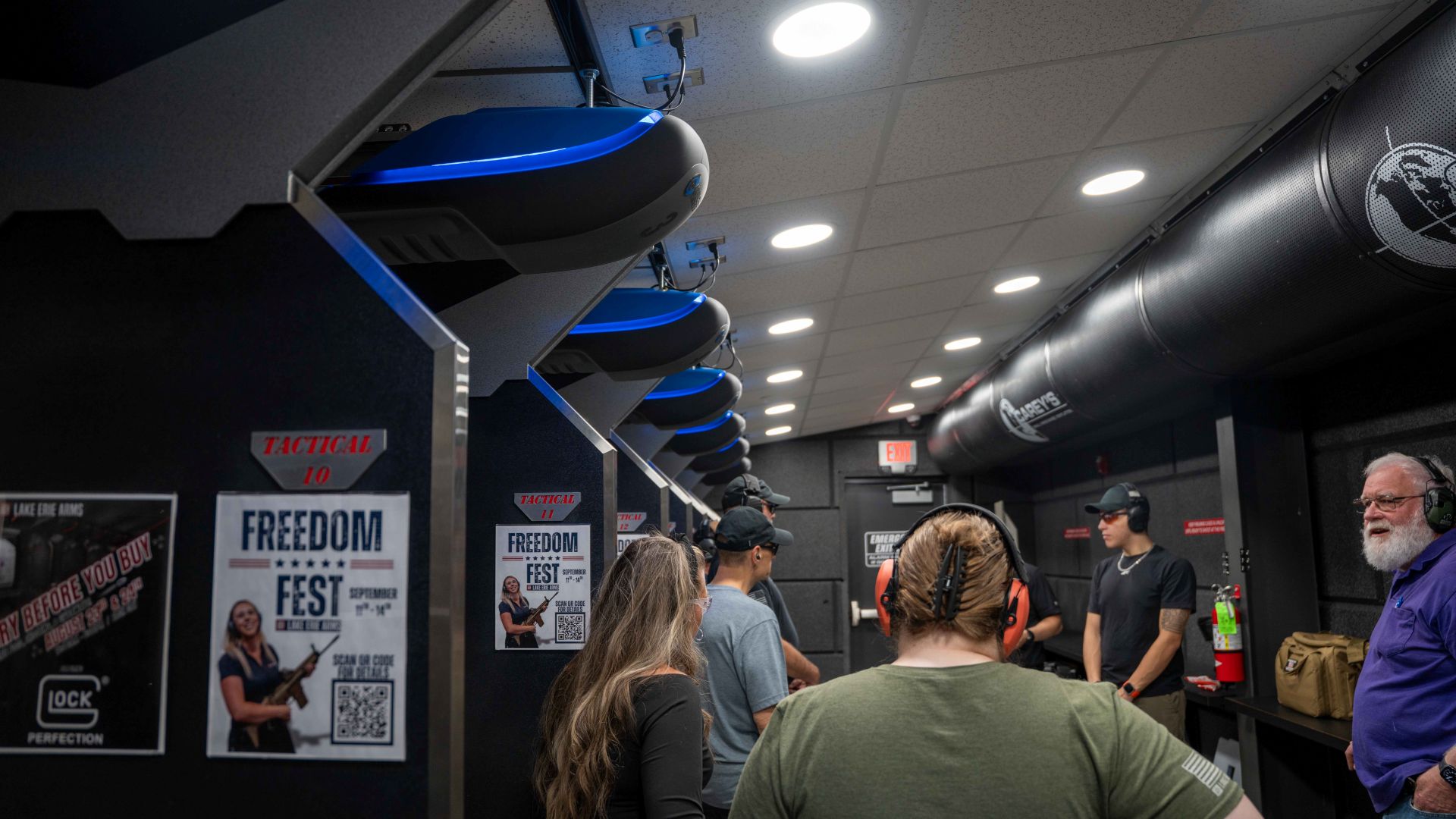
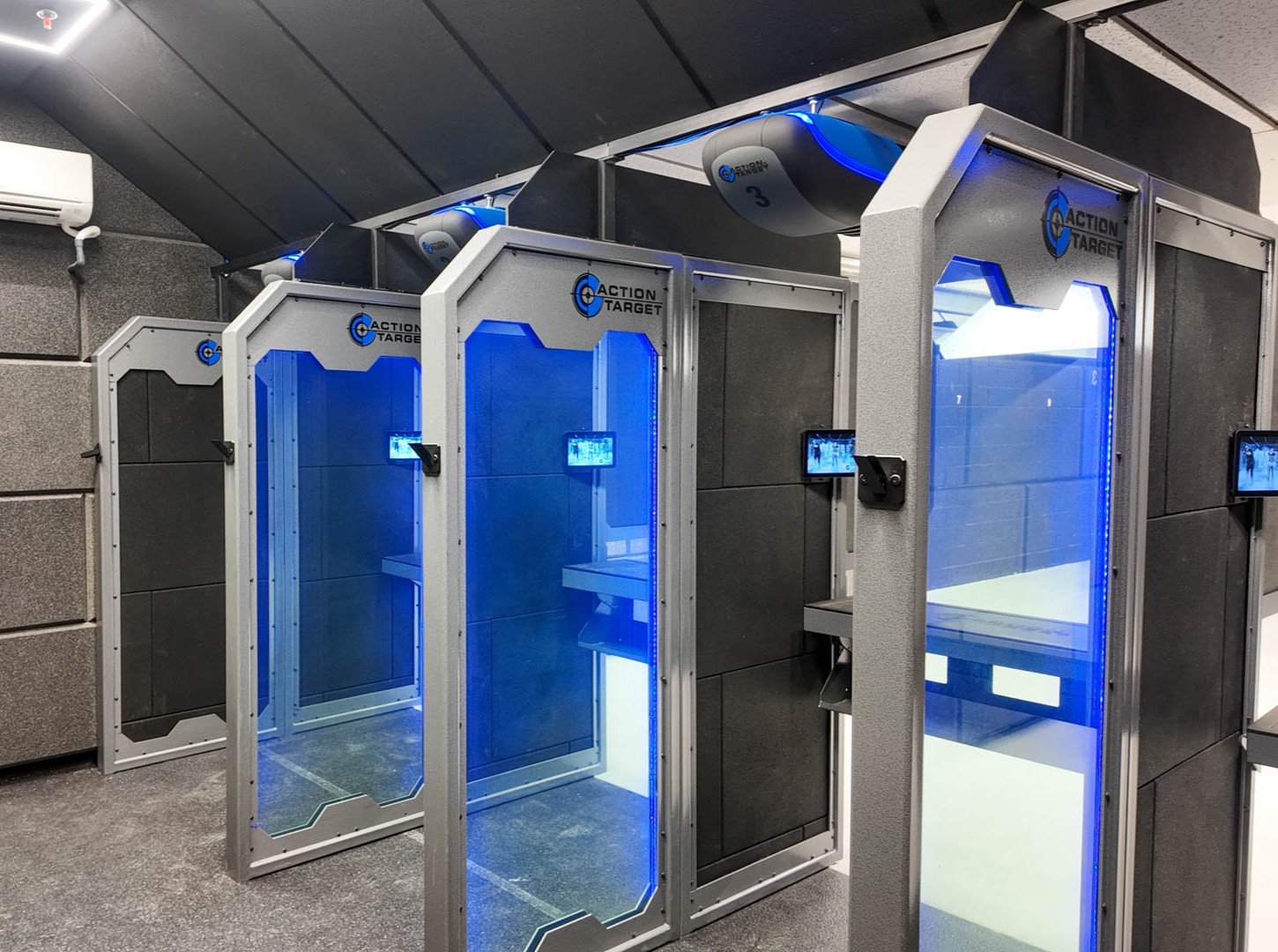
  • Shooting stalls: Stall design should support safety, supervision, customer comfort, and a clean, professional appearance.

  • Brand and atmosphere: Finishes, colors, lighting accents, and layout details help shape how premium and customized the range experience feels.

  • Visibility and flow: Staff should be able to monitor the line clearly while customers move through the space with confidence.

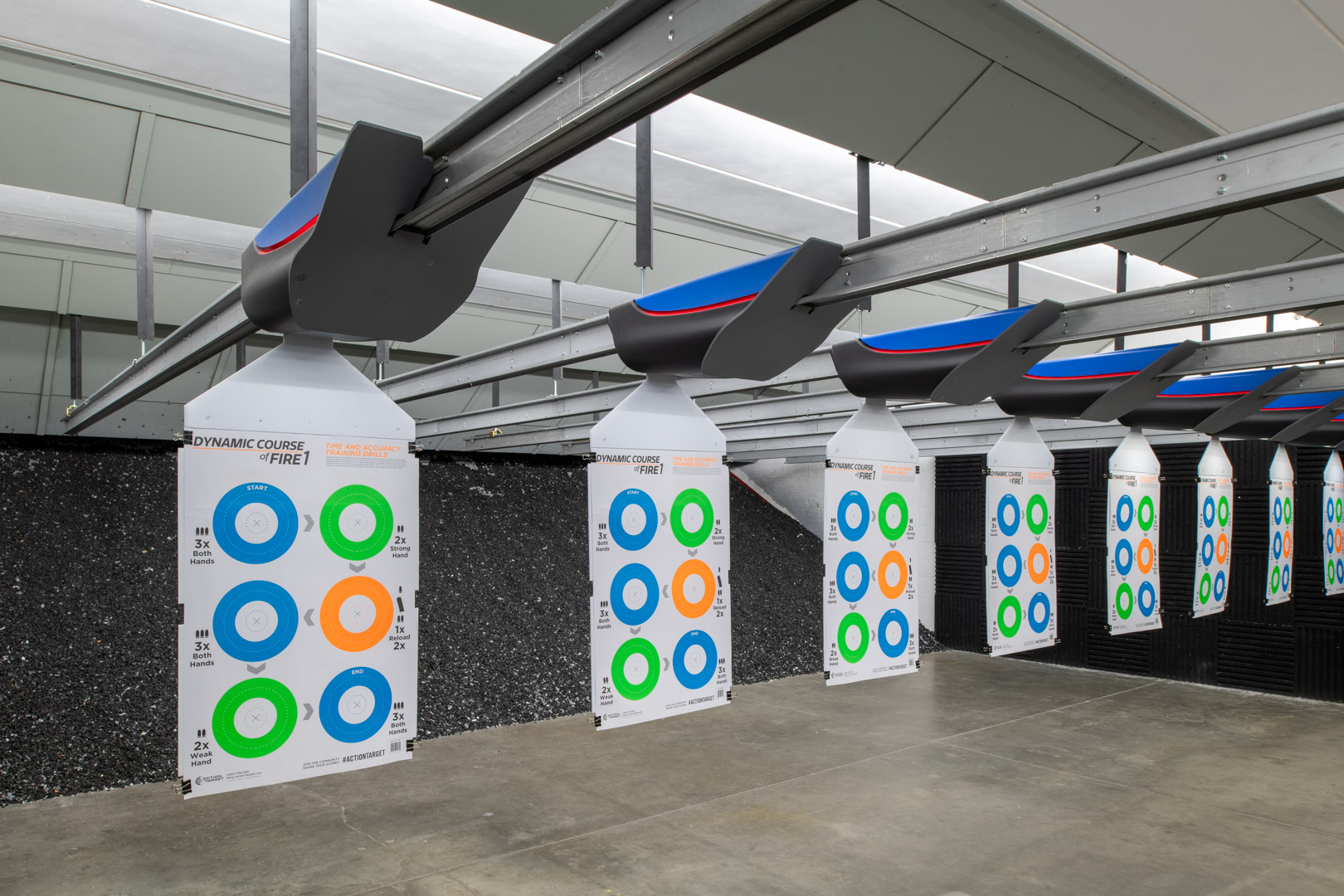
  • Target retrieval systems: Target retrievers are the most common target system in commercial shooting ranges because they offer a reliable, familiar way to control target distance and pace.
  • Wireless retrievers: Wireless target retrievers represent the most modern version of the system, giving ranges more dynamic and customized target control and movement.
  • Lane controls: Decide how much control and automation you want at each lane so sessions run smoothly and staff can manage activity efficiently.
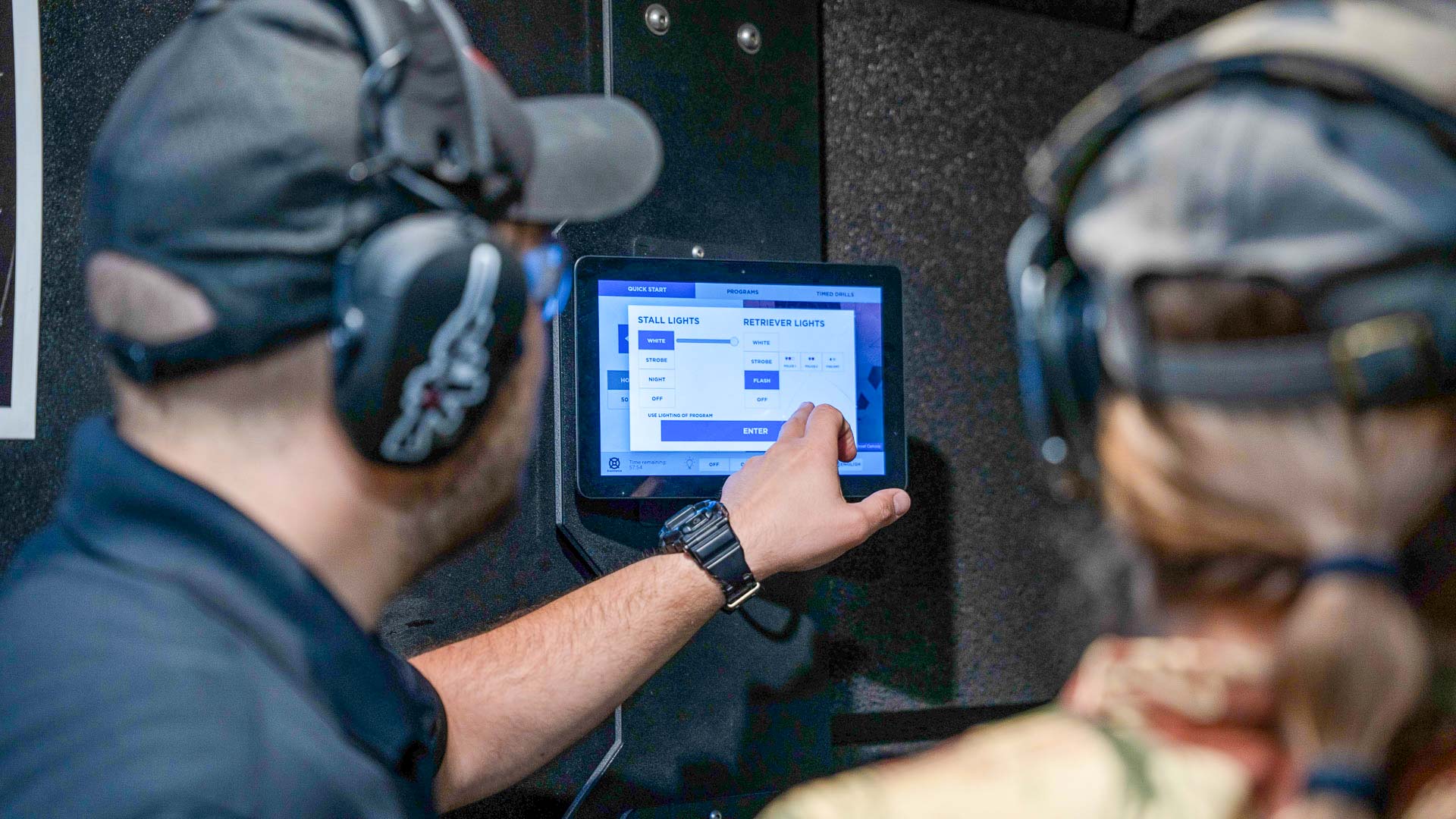
  • What it does: Range management technology gives staff centralized control over key range systems instead of managing them one by one.

  • How SmartRange AXIS™ works: Action Target’s SmartRange AXIS connects target retrievers, shooting stalls, ventilation, lighting, HVAC, POS, and safety controls into one tablet-based platform.

  • Why it matters: This helps streamline lane management, improve staff efficiency, reduce downtime, and create a smoother shooter experience.

FRONT-END SPACE PLANNING & TECHNOLOGY

The front end of the facility shapes the customer experience before anyone steps onto the range. Depending on your concept, that may include a lobby and check-in area, retail/pro shop, classrooms, offices, bathrooms, lounges, members-only spaces, gun cleaning stations, gunsmith areas, armories, or even restaurants and concessions. The right combination depends on your business model, customer experience goals, and the type of facility you want to build.

Just as important, these spaces should work together operationally. Plan your front-end systems so reservations, waivers, memberships, rentals, and Point-of-Sale (POS) can work together with accurate, consistent information. Action Target also offers SmartRange AXIS integration with POS to help connect lane assignments, shooter sessions, and in-stall purchases into one more efficient workflow.

CONSTRUCTION, BUILD-OUT, AND COMMISSIONING

After all your planning and preparation, it’s time to build your range. A few key decisions will shape how smoothly the project moves forward and how well the finished facility performs. Indoor ranges rely on specialized systems working together, so construction is as much about coordination as it is about building. Your architect and MEP engineers handle code-compliant building design, and your general contractor manages construction. A range specialist like Action Target supports range and equipment design and helps align range-specific requirements across trades so critical systems, including ventilation, are built to perform as intended.

Commissioning is where your finished range is verified to operate safely. That includes verifying ventilation performance, completing integrated system checks, and running safety walkthroughs with signage and staff dry-runs.

STAFFING, TRAINING, AND CULTURE

Who you hire can make or break range operations and customer perception. Your team is on the front line enforcing safety, setting the tone, and delivering the experience people remember. Reinforce your expectations with a clear culture and consistent training, so standards stay uniform on every shift.

CORE ROLES

Staff your range for safe coverage during peak hours, not just average traffic. RSOs manage the firing line and enforce rules, while instructors drive training quality and repeat visits. Retail/customer service, optional armorer or gunsmith support, and dedicated maintenance/cleaning keep the facility running and help control lead-related risks.

TRAINING PROGRAMS

Training keeps operations consistent and reduces incident risk. At minimum, cover SOPs, emergency response, and de-escalation, with documented checkoffs. Be sure to include lead hazard and safe cleaning training, as well as hearing conservation basics for staff.

COMMUNITY RESPONSIBILITY

Professional standards and clear messaging build trust with customers and the community. Many ranges also choose to share optional suicide-prevention education resources as part of a responsibility-first culture. These efforts support trust, but they don’t replace strong safety procedures and staff training.

LAUNCH AND DAY-TO-DAY OPERATIONS

The big day has finally arrived. Don’t forget: a smooth launch and day-to-day operations come down to repeatable routines. Plan a soft opening before your grand opening so you can test customer flow (check-in, waivers, orientation, lane assignment), train staff under real conditions, and fix bottlenecks at lower volume.

Track a small set of metrics to guide decisions, such as lane utilization, revenue per lane-hour, membership churn, and class attach rate, then use customer feedback, incident reports, and safety checks to drive continuous improvement.

MARKETING, COMMUNITY RELATIONS, AND LONG-TERM GROWTH

Indoor ranges grow fastest when marketing, on-site experience, and reputation management work together. Focus on being easy to find locally, easy to trust, and consistent enough that first-time visitors become repeat customers.

  • Google Business Profile + reviews: Keep hours, categories, photos, and services accurate, and build a consistent review request process after good visits.
  • Local partnerships: Partner with instructors, clubs, retailers, and community orgs to drive referrals and fill classes during predictable time blocks.
  • Content on your website: Publish beginner guidance, safety expectations, training paths, and event updates on your site so you own the platform, support SEO, and reduce first-visit friction.
  • Proactive outreach: Show up before you need to. Attend local civic meetings and community events, and be ready to explain how your range operates safely and responsibly.
  • Events and engagement: Host approachable, community-friendly events (open houses, safety seminars, charity fundraisers, youth or family education nights where appropriate) to create positive touchpoints and make your range feel less “unknown.”
  • Transparency and complaint handling: Have a defined process for receiving complaints, documenting them, and responding with facts and fixes where appropriate.

  • Why it matters: Community relations and perception can influence approvals, renewals, and long-term stability.

  • Use a standard: Adopt a clear operating benchmark so “quality” is not subjective across shifts.
  • NSSF Star Rating: NSSF’s Star Rating system gives ranges a structured way to evaluate operations and customer experience across categories like appearance, management, shooting sports development, and amenities.
  • Turn it into action: Use the framework to set priorities, train staff, and perform upgrades that customers actually notice.

THE BOTTOM LINE

We covered a lot because opening an indoor commercial shooting range is a big project. It blends business planning, permitting, facility engineering, staffing, and day-to-day operations into one build. If you take it step by step, make decisions in the right order, and avoid shortcuts on safety-critical systems like ventilation, it’s absolutely doable.

Start with a clear business model, validate demand and feasibility, choose the right site, and build a design and construction plan that sets you up for a smooth opening. Then focus on consistent operations: strong staffing, training, maintenance routines, and the metrics that keep performance and customer experience on track.

If you want expert guidance and practical resources at any point in the process, get in touch with an Action Target range consultant. We can help you plan smarter, coordinate the right decisions, and build the range you’ve always wanted.

ADDITIONAL QUESTIONS

Most complete indoor commercial range facilities require seven-figure budgets, often starting around $2 million, with larger, more complex facilities reaching $10 million to $20 million+. Final cost depends on location, construction requirements, facility offerings, lane and bay count, caliber capability, and major systems like ventilation/filtration, sound control, and ballistic containment.

A common planning-to-opening window is 1 to 3 years, driven by zoning approvals, permitting, construction scope, and equipment lead times. Complex jurisdictions or major build-outs can push timelines longer.

Requirements vary by location, but most indoor ranges need business licensing, zoning/land-use approval, and building/fire permits tied to occupancy and life-safety. Many projects also require plan reviews and inspections before opening.

It depends on your business model. You’ll need an FFL if you plan to sell firearms, process transfers, or offer gunsmithing, and some rental setups may also trigger licensing needs.

Indoor ranges need ventilation designed to control airborne lead and combustion byproducts and move air in a consistent, controlled direction (generally 75 fpm). OSHA and NIOSH guidance emphasize exposure evaluation and controls as part of protecting workers and shooters.

Most ranges carry general liability, property, and workers’ comp, then add coverage based on services (training, retail, rentals) such as professional liability and often umbrella/cyber. Coverage needs and pricing depend heavily on operations and safety controls. Read more here.

Ranges tend to perform best when they diversify beyond lane rentals. Memberships, events, and training courses create repeat visits and steadier revenue, while retail/rentals can raise revenue per customer when managed well.

Table of Contents

READY TO TAKE YOUR FIRST STEP?

From your first question to your final shot, Action Target is your trusted partner—guiding you every step of the way.

SHARE THIS ARTICLE

A large variation of the Action Target logo icon in white.

Written By: Action Target

Action Target is the leading global expert on modern shooting ranges. Since 1986, the company has partnered with thousands of range owners worldwide to design, install and maintain world-class shooting ranges, systems, and equipment for law enforcement, military, educational, commercial, and residential markets. Action Target provides solutions for indoor and outdoor shooting ranges, modular ranges, shotgun ranges, and shoot houses. As the industry’s broadest end-to-end solution provider, Action Target also offers a comprehensive selection of aftermarket range service including parts, and maintenance programs, rubber berm trap cleaning, metals recycling, hazardous waste and filter disposal, and an online store for range supplies and targets.