
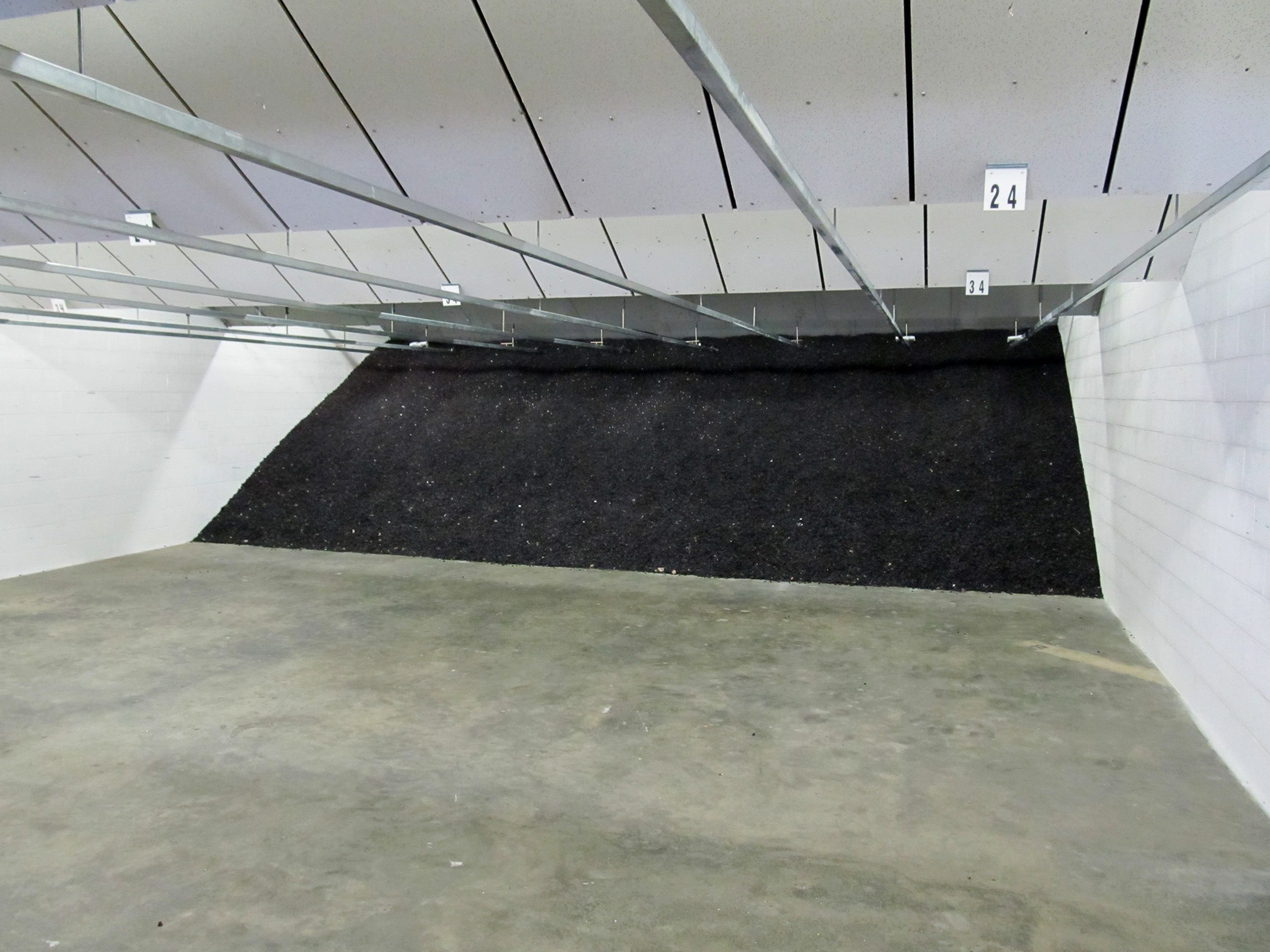
 As we discussed in the first part of this article, rubber berms are a fantastic way to contain rounds on ranges that see limited use, but they aren’t perfect in every circumstance. Rubber berms have their limitations no matter what you may read. If you are considering installing a rubber berm on your indoor or outdoor range, make sure you have a clear understanding of the facts about what rubber berm are realistically capable of handling. Here are three more myths you may encounter in your research of rubber berm technology.
CLAIM #4: Rubber berm traps are easy to clean. You can even do it yourself with a special vacuum or with doors on the back of the trap.
When too many bullets are suspended in the trap for it to function safely, they should be mined from the rubber and disposed of properly. Some early claims stated that a million rounds per lane could be fired before cleaning was required, but our real-world experience and documented accounts reveal that a rubber berm trap should be cleaned after about 80,000 rounds per lane.
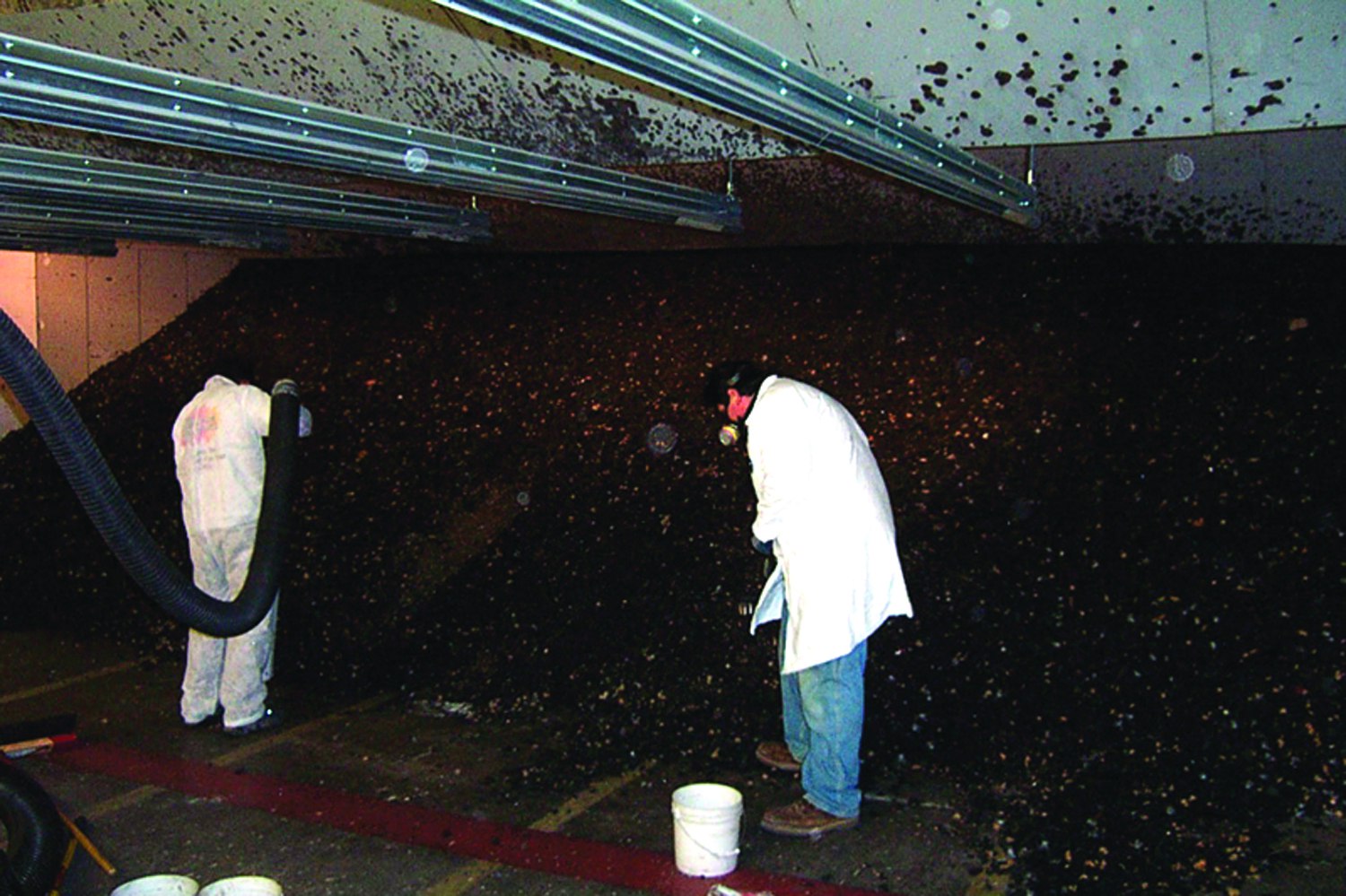
The process of separating the lead from the rubber can be a very specialized and time-consuming task. The top 8 to 12 inches of rubber are typically taken off the entire trap and then separated to remove the bullet fragments. The lead fragments can be classified as a recyclable material, but may require complicated permits to transport and dispose of legally. After the lead has been properly dealt with, the remaining rubber is placed back on the trap. Even with the best industrial equipment, it can take an experienced crew nearly seven full days to clean a 20 lane trap. Because of the extensive lead exposure inherent in the process, everyone involved should be outfitted with the proper safety equipment including complete hazardous-material suits and certified respirators.
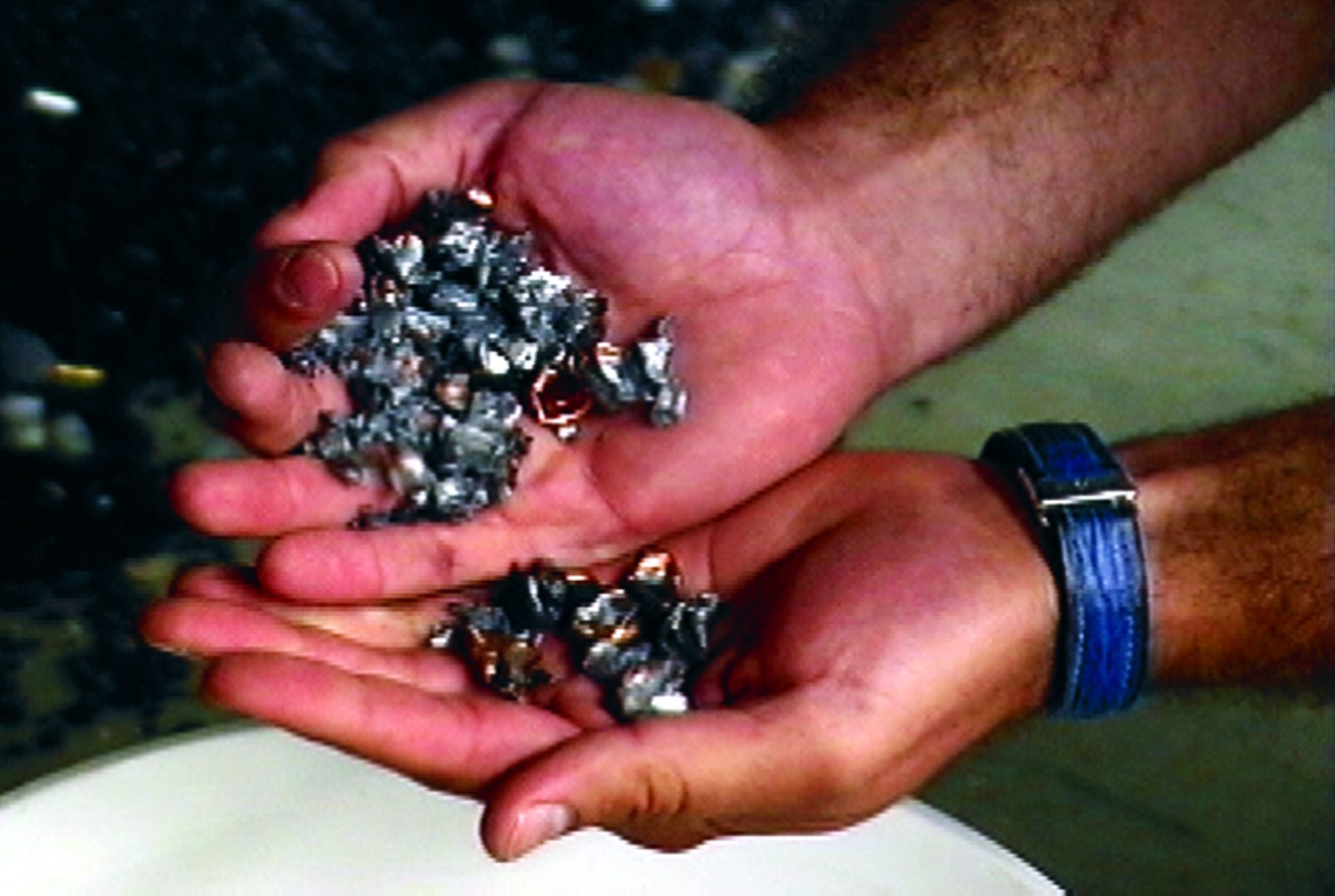 Another claim states that bullets will travel all the way through the rubber to the rear of the trap where they can easily be removed through doors mounted in the back of the steel support structure. Our experience shows that handgun rounds typically penetrate only 6 to 10 inches into the usual 24 inches of rubber, and most rifle rounds only penetrate 12 to 16 inches. Even as newly fired bullets impact other bullets already in the rubber, we have not seen fragments even come close to the rear of the trap. We have never found these “cleaning” doors to do anything more than add unnecessary expense and difficulty to the trap.
CLAIM #5: Rubber berm traps greatly reduce the noise levels on your range.
Sound problems on shooting ranges are caused by the noise generate when firing a gun and the interaction of that noise with the walls, floors, and other surfaces of your range. When you compare the surface area of a bullet trap with that of the floor, walls, and ceiling of a typical range, the trap typically makes up only about 5% of the total surface area. This small percentage combined with the fact that rubber is only a fair sound absorbing material means a rubber berm trap may have minimal impact on the sound levels on your range. We have found that using proper sound absorbing materials and techniques on your walls and ceiling baffles can give far better results.
CLAIM #6: Adding more technology and additional devices to your trap will improve its performance.
There is only so much you can do to “technologically enhance” chopped rubber. That being said, let’s look at some of the most common add-ons to rubber berm traps.
 The first device is a large collection bin or “hopper” that spans the top of the trap. In certain cases, the chopped rubber has been found to migrate and flow toward the bottom of the trap leaving undesirably thin coverage near the top. When this happens, the extra rubber that accumulates at the bottom of the trap should be periodically collected and returned to the hopper. This process can be very labor intensive, and you should employ the same safety equipment and procedures used when cleaning the trap.
Another add-on uses large sheets of rubber that act as a skin over the entire surface of the trap. This cover is designed to help keep the small rubber granules in place and to keep small bullet fragments from escaping back toward the shooter. As shots are fired into concentrated areas, the cover can quickly develop larger and larger holes, requiring time and money to maintain. Another downside to a cover like this can be heat retention. In hot conditions, the membrane may reduce the ability of the granules to “breathe” building up heat and increasing the chance of fire when other ignition events are present.
You have Options
The equipment you install in your shooting range can have a significant effect on your range’s future success. Rubber berms work great on ranges that don’t see excessive everyday use, but if you start having more customers than you originally planned for, it quickly becomes a less than ideal solution. After evaluating the benefits and limitations of a berm trap design, you may conclude that this technology is the best overall choice for your needs. If not, know you have other options.
The Action Target Total Containment Trap (TCT) can be a great solution if you are going to run a lot of people through your range. With three different types of hands-free lead removal systems, the TCT allows for varying levels of use and greatly diminishes the time you have to spend maintaining your shooting range. If your range’s anticipated level of use is on the border of being too much for a rubber berm, plan on being successful and install a TCT. Don’t limit your long-term success based on short-term finances.
Rely on the Experts for Help
There are hundreds of things to take into consideration when building a shooting range, but your top priority should always be safety. Before anything else, make sure your range is going to be safe for your customers, your employees, and the environment. If you are considering building a range, talk to the Action Target representative in your region and he will be happy to help you find the right equipment to fit your needs and budget. You can also use our Request a Quote form to get started on your range upgrades today.
Please note: the information included in this article has come from both documented studies and the personal experience of Action Target shooting range specialists. This information has been found to be helpful for many clients throughout the years but may not apply in all situations. Please use judgment in determining which tips will be helpful in your particular situation.
