
By Dave Staskievicz
Editor’s Note: Action Target has republished this article in its entirety with the permission of the author. Ideas, comments, practices, recommendations, etc. are the author’s own and do not necessarily represent those of Action Target.
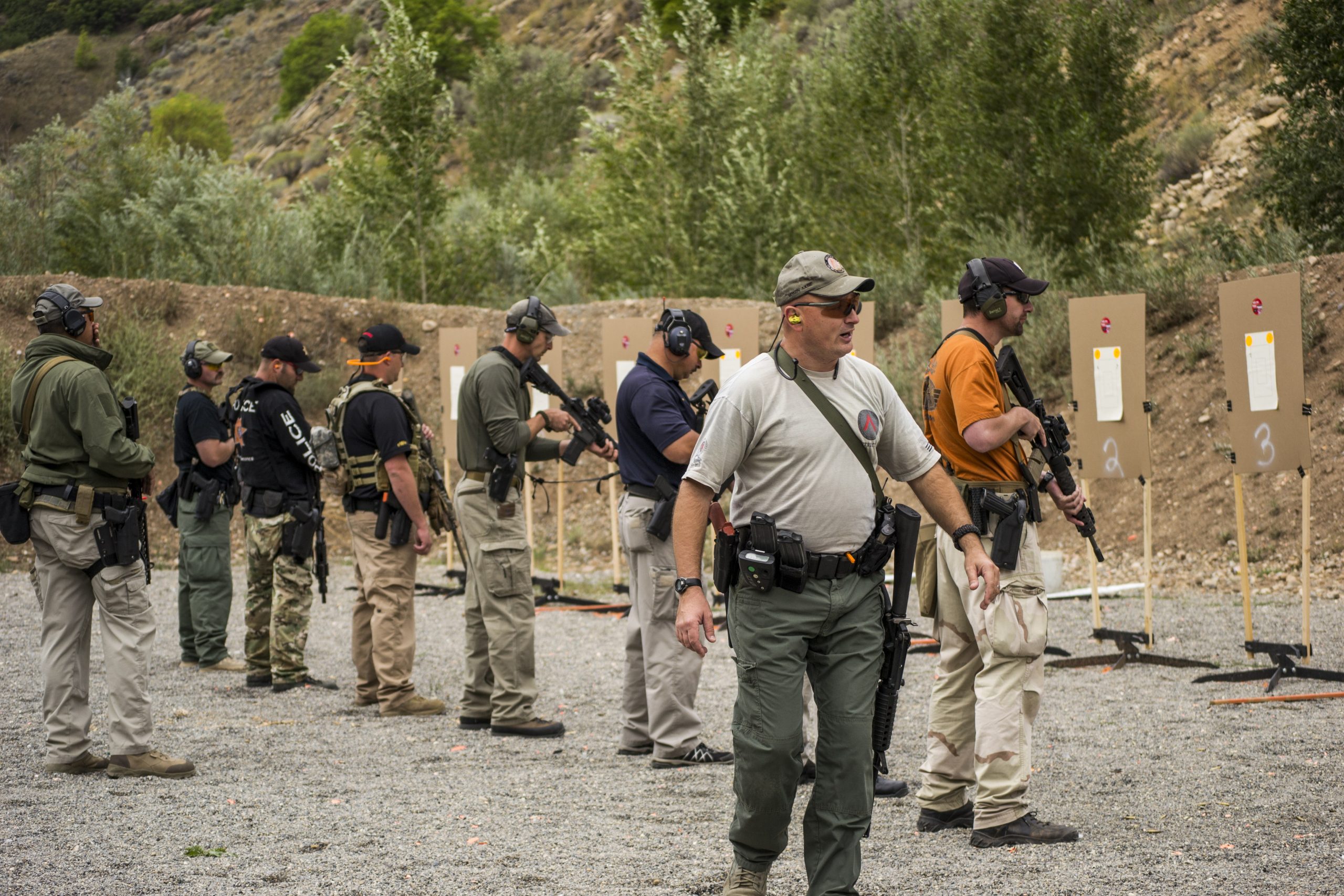 There are so many different types of “firearms instructors” that it’s virtually impossible to give a standardized answer to this question. In no way do I think I have all the answers to this question. The purpose of this article is to simply get instructors thinking about possible answers.
Depending on the type of firearms instructor you are, your answers might be a little different. Just so we are all on the same page, a few examples of different types of instructors I’m referring to are hunter safety, trap, range safety, NRA, competition, defensive shooting, and tactical (law enforcement / military – life and death).
There are a wide variety of training doctrines and techniques to choose from – I won’t talk about any of them. This article will focus on the different attributes that make up a professional firearms instructor.
 As I look at it, there are levels and stepping stones in your instructing career. Generally speaking, I would venture to say some of the best instructors have law enforcement (LE) and/or military backgrounds. However, I’m sure there are exceptions out there.
The majority of my experience as a firearms instructor comes from the LE / military arenas. However, I do occasionally help out with hunter safety and even coach some trap. Over the years, I have tried to listen and learn from many colleagues and instructors. One of the first lessons I learned was that I don’t know everything.
The first thing is to remember you can always learn something new. Never rest on your laurels, and always try to learn something that will make you a better instructor. Find a mentor or mentors and work on how you instruct. Every time I watch someone else teach, I’m trying to learn another way to communicate or relay information to the student. You can never stop learning and improving. I would never claim to be the best instructor, but looking back, I wasn’t a very strong instructor when I first started.
In my opinion, there are a few areas that make or break you as a good, professional instructor. I’m going to break down and discuss a few of these.
Professionalism
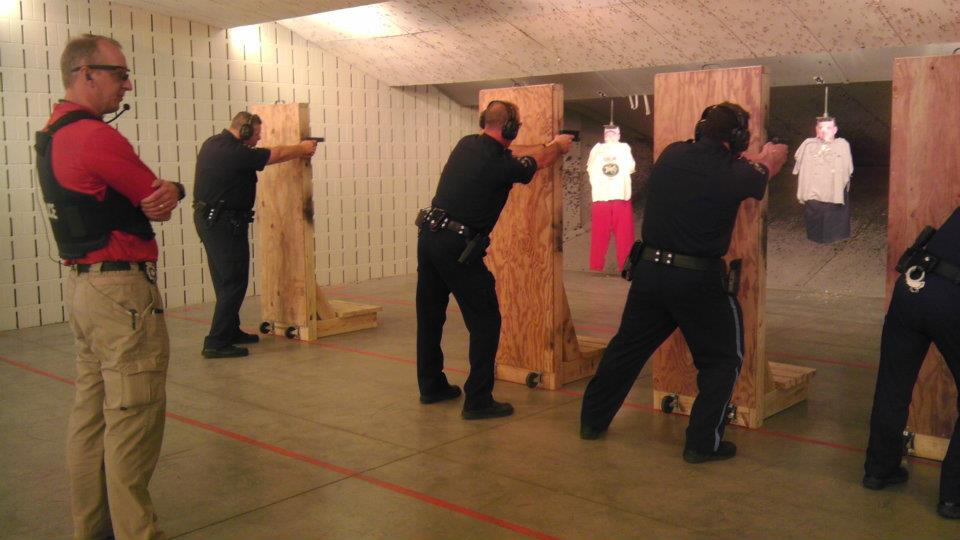 Since we are trying to define what a professional firearms instructor is, it seems the first place to start would be to discuss professionalism. As I said earlier, there are many types of instructors which will alter some of the requirements. To begin with, we owe it to our students and our industry to have a clean professional appearance and attire. If you’re honest with yourself, it’s hard to disagree with the idea of showing a professional appearance. It’s not difficult to wear a polo or other collared shirt. Wearing some sort of T-shirt or an untucked shirt just tells your students you’re sloppy and unprofessional.
Professionalism also includes your documentation for the class. Every class needs a lesson plan and supporting documentation. Did you make a range safety plan and safety brief for your students and instructors? We can never afford to take safety for granted. Don’t cut corners or fall back on the “do what I say, not what I do” motto. Always set the example for your students.
Be courteous and respectful to your students and other instructors. Never bash another instructor or their techniques – that just shows that you are unprofessional. Never contradict another instructor in front of students unless it deals with an immediate safety issue. During a break, take the instructor aside and privately discuss any difference or suggestions.
Evaluate Yourself – Keep an Open Mind
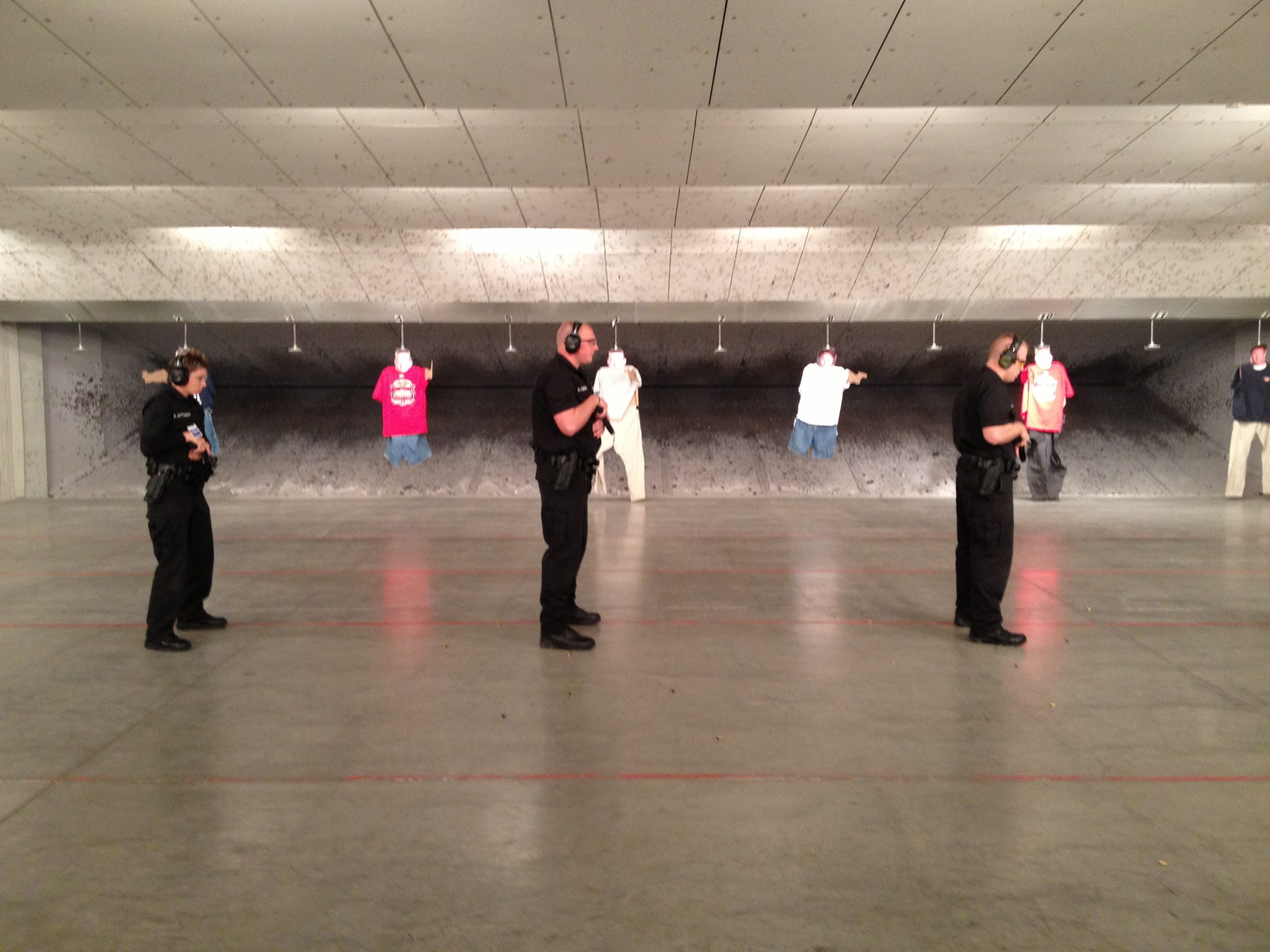 I have already mentioned that you can always learn something new. To do that, you need to continually reevaluate yourself as a firearms instructor. I put a date on all of my police recruit / instructor manuals to require myself to reevaluate the techniques, tactics, and gear every two years. If you haven’t changed any of your curriculum in more than two years, you have most likely rested on your laurels and are now becoming a liability. Be open to evaluating different techniques.
Just because an instructor has the most years of service behind his name, it doesn’t mean he is the best firearms instructor. This is especially true if there isn’t an open mind to progress and change.
Evaluate Techniques, Tactics, and Gear
This area is critically important, especially for defensive and tactical firearms instructors. Realizing we need to keep an open mind about ourselves, we also need to keep an open mind about our techniques, tactics, and gear. As we look at new tactics, we always have to remember that some look really cool on a flat, sterile range when the students’ heart rates are low. Always evaluate the validity of a new tactic or piece of gear before you introduce it into the classroom. Will the technique work when the student performs it with an elevated heart rate? Far too often, I’ve seen an instructor show students a “cool” technique that doesn’t pass the common sense test.
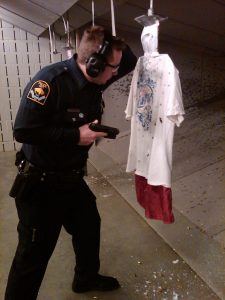 The worst thing a professional firearms instructor can do is to fail to vet a new technique, tactic, or piece of gear. Many times, I’ve watched an instructor go to a school or seminar, learn some new tactic, and come back to start teaching it as the “new coolest thing” in the world of shooting. Usually, within a few weeks or months, the instructor realizes the technique isn’t sound and may only work on flat, sterile ranges as opposed to real world situations. The problem is that the damage is already done. Every instructor is liable for what they have taught the students that have already completed the class. Good, professional instructors will vet any new technique before they go out and teach it to students. Consequently, they need to incorporate any changes into their lesson plans and stay consistent.
Think about this: if you’re with a group of instructors evaluating different techniques or gear and you’re always the one talking or you’re never wrong, you just figured out the issue – it’s YOU! If you run the training, you have to remember a good leader always depends on others to make you look good. Once you think you know everything, you are doomed. It’s impossible for one person to know everything, and if you think you do and you’re always right, you are the liability for your training program. Most of this comes down to leaving your ego at home. Remember, story time reduces training time.
As you update your curriculum, remember to have integrity. don’t take credit for other people’s work. Simply changing the name of a technique doesn’t make it yours, so don’t try to make a name for yourself that way. If you change the name of a technique, you will typically end up confusing your students anyway. This comes back to the ego again. The more you have to tell people how great you are, the more you are covering up your inabilities as an instructor or person.
Learning Environment
The most important thing a good firearms instructor can do is to help a student learn. Always remember, we must walk before we run. Breaking everything down into small tasks (modules) will go a long way to accomplish this goal.
- Explain what you are going to do
- Show them what you want them to do
- Demonstrate what you want them to do
- Have the student replicate what you want them to do in small parts (modules)
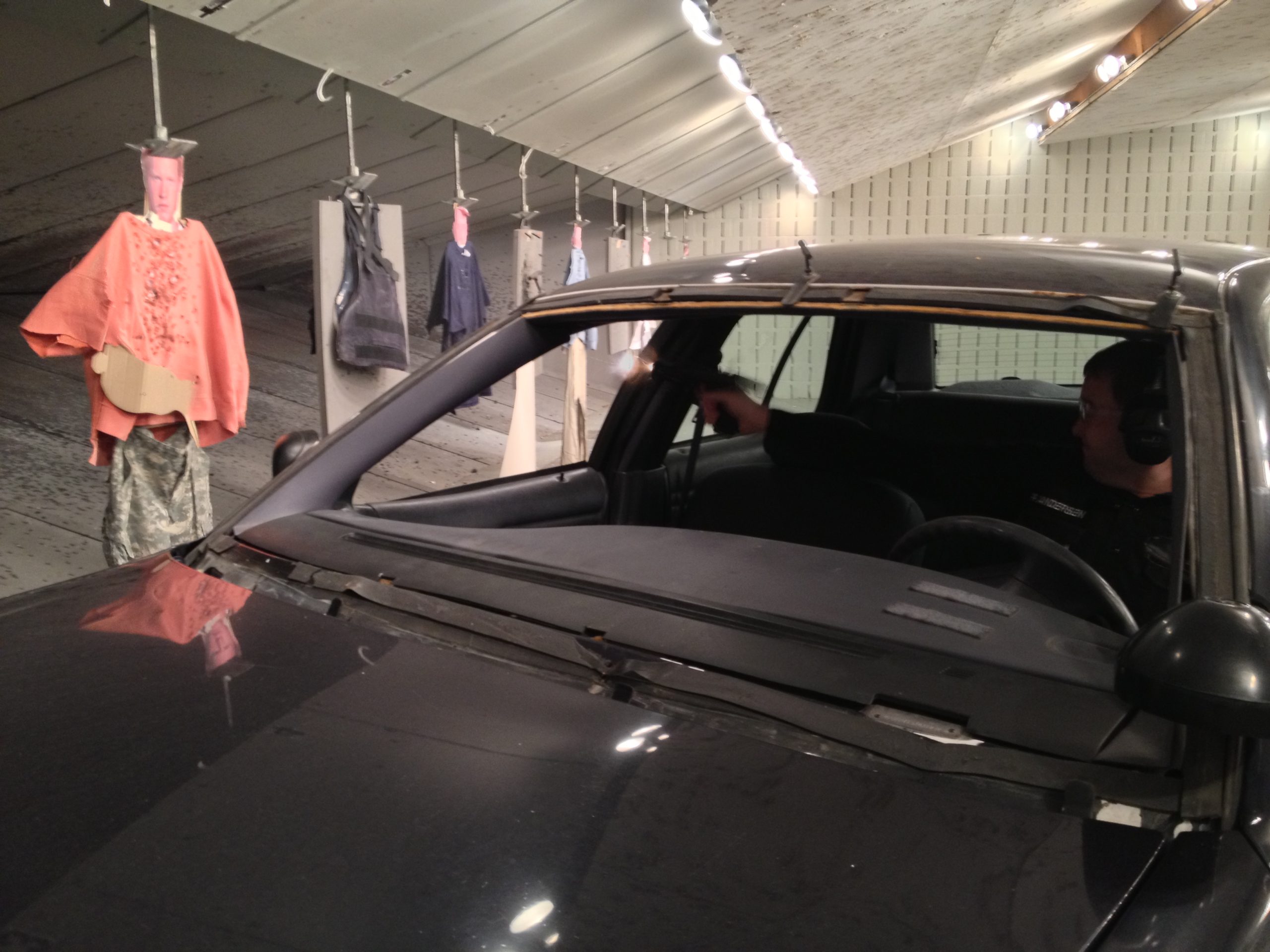 I still live by the old military adage we learned: KISS (Keep It Simple). We can drop off the last S. Trying to impress your students with big words only confuses the students and makes learning harder. There is no need to carry a dictionary on the range. It comes right back to the ego again.
Students always need to have a positive learning experience. For example, when teaching some of the basic fundamentals of firearms, we need to understand why a student’s rounds are going to a certain location. A good instructor has learned how to break down the drills to help students learn why their rounds are always going to a certain place. Until a new instructor understands this, a simple shot analysis card can be an easy first step for learning.
Do I have all the answers? Absolutely not. If I ever thought I did, I would be a liability to myself and others around me. Remember, the purpose of this article is simply to get instructors to think about what a professional firearms instructor is and then take the time to evaluate themselves and their curriculum.
As for the idea of coming up with standards for firearms instructors, I don’t think it’s a very easy or feasible task. The biggest problem with this would be that there doesn’t seem to be a good clearinghouse to standardize a professional firearms instructor.
Remember, as firearms instructors, our goals need to revolve around providing the best possible real world learning environment for our students. Teaching a student to shoot a firearm has a great deal of liability surrounding it. Having students use what they have learned from you in defense of their lives or another person’s life is forever rewarding.
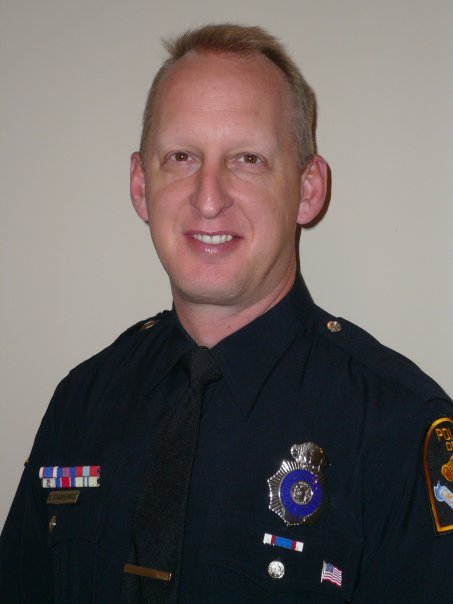 About Dave Staskiewicz
Officer Dave Staskiewicz is Range Master of the Omaha, Nebraska Police Department. He serves as the lead firearms instructor as well as the lead Taser instructor. Dave can be reached at dstaskiewicz@ci.omaha.ne.us.
